
Is a Basement Conversion Worth the Disruption? What Homeowners Should Expect
For many homeowners, especially those in dense London neighbourhoods where outdoor space is limited and planning restrictions can be strict, a basement

For many homeowners, especially those in dense London neighbourhoods where outdoor space is limited and planning restrictions can be strict, a basement conversion offers one of the most effective ways to gain significant extra living space. Basements can be transformed into offices, gyms, playrooms, bedrooms, entertainment spaces, or even fully self-contained living units. The appeal is clear: more room, higher property value, and the freedom to create functional, modern spaces without extending the building’s footprint.
However, transforming an underused or unfinished basement into a high-quality living area is not a weekend project. Basement conversions can involve excavation, structural alterations, waterproofing, and weeks or months of building activity. The scale of work often raises the most important question homeowners ask before committing: is a basement conversion worth the disruption?
1. Understanding the Nature of Basement Conversion Work
Basement conversions involve more technical work than typical home renovations. While every project is unique, most require:
- Excavation and underpinning if the existing basement is not deep enough or structurally suitable.
- Structural reinforcement to protect the building and adjacent properties.
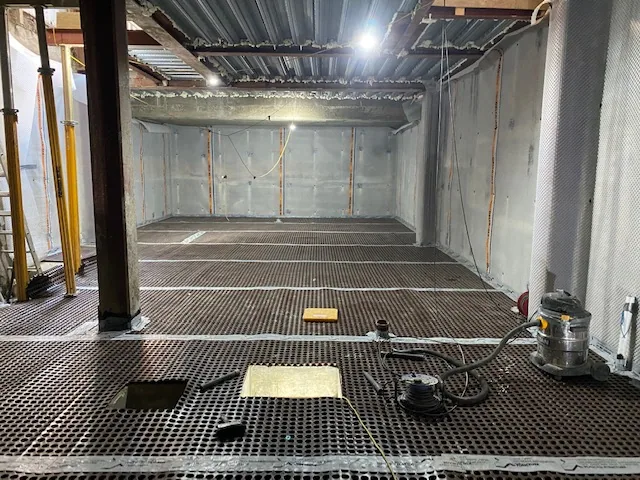
- Advanced waterproofing to keep the space dry and usable.
- Ventilation, insulation, and drainage installation to ensure long-term comfort and compliance with building regulations.
- Electrical and plumbing work, especially if you intend to add bathrooms, kitchens, or specialist features.
Because of this complexity, basement conversions often involve heavier machinery, more contractors, and longer timelines than lofts, extensions, or cosmetic renovations.
2. How Much Disruption Should You Expect?
Noise and Dust
Basement work is noisy, especially during excavation and underpinning. Even with dust management systems, construction will generate dust that needs controlled handling. Many homeowners choose to live elsewhere during the most intensive stages, though some remain on-site if the contractor installs proper safety and isolation measures.
Access Restrictions
Contractors may need access through hallways, side passages, or even the main entrance. Temporary flooring protection, boarded walkways, or protective sheeting is common. Deliveries of materials can also temporarily reduce driveway or pavement access.
Vibration and Structural Monitoring
During excavation or underpinning, contractors monitor movement in the property. While modern techniques keep risks low, vibrations can be felt throughout the home.
Daily Footfall From Contractors
Expect tradespeople on-site for long periods each day. If your home is your place of work, this may be inconvenient, especially during early starting times or periods when utilities must be switched off briefly.
3. The Benefits That Often Outweigh the Disruption
Despite the disruption, most homeowners who invest in a basement conversion find the long-term rewards substantial.
Significant Living Space
A basement conversion can effectively create an entire extra floor. In areas where lofts have already been converted or garden extensions are restricted, this is one of the only ways to gain substantial space.
Increased Property Value
High-quality basement conversions can increase property values dramatically, especially in locations where extra living space commands a premium. The exact return varies, but many homeowners see strong long-term gains.
Highly Customisable Space
Basements can be used for purposes that may not be suitable for upper floors, such as:
- Home cinemas
- Gyms
- Saunas
- Wine storage
- Guest suites
- Utility and laundry rooms
- Playrooms or hobby workshops
This flexibility adds lifestyle value that cannot easily be achieved in other parts of the house.
Future-Proofing the Home
A well-constructed basement adds functionality that adapts over time. Younger families may use the space as playrooms; later, it can become a home office, gym, or accommodation for relatives.
4. How to Minimise Disruption During the Build
The disruption of a basement conversion is manageable with the right planning. Homeowners can reduce the impact by:
Hiring experienced basement specialists
General builders may have renovation skills, but basement conversions require structural engineering knowledge, waterproofing expertise, and familiarity with local regulations. A specialist team will typically work more efficiently and safely.
Planning temporary living arrangements
During the noisiest or most intrusive stages, you may prefer to stay with family, rent short-term accommodation, or plan holidays around the project timeline.
Creating clear access routes
Protecting floors, removing fragile items, and clearing access paths helps the crew work faster and keeps disruption contained.
Setting communication expectations
Weekly updates, clear schedules, and immediate alerts on upcoming noisy work help you prepare.
Planning deliveries and waste management
Your builder should arrange skips, waste removal, and delivery times that minimise impact on your daily routine.
5. When a Basement Conversion May Not Be Worth It
While most homeowners benefit significantly from a basement conversion, there are circumstances where it may not be the best choice:
- If the property has poor ground conditions that require extensive reinforcement.
- If the budget is tight and unexpected structural work could stretch finances.
- If you need additional space urgently, as basement conversions take longer than lofts or simple extensions.
- If local planning restrictions are unusually tight, adding complexity to the process.
A feasibility assessment from a reputable contractor and structural engineer will help clarify whether the project is viable or cost-effective.
Final thoughts
A basement conversion is one of the most effective ways to increase space, enhance lifestyle, and improve long-term property value, particularly in areas where extending outward or upward is difficult. While the process is more disruptive than many other home improvements, understanding what to expect and preparing effectively can make the experience far smoother.
The noise, dust, and lengthy timelines are temporary. The benefits, however, are lasting: a tailored living space, improved functionality, and a valuable asset that supports modern living. For homeowners prepared for the journey, a basement conversion is often well worth the disruption.
Frequently asked questions
Can you stay in your home during a basement conversion?
Yes, many homeowners do stay, especially once excavation is complete. However, the early stages can be noisy and dusty. Living off-site during excavation and underpinning is often more comfortable.
How disruptive is the excavation process?
Excavation is the most disruptive stage, involving heavy machinery, vibration, and noise. Once this phase is complete, the remaining work feels more similar to a standard internal renovation.
Will a basement conversion damage my home?
When carried out by qualified professionals with structural engineering oversight, the risk of damage is low. Monitoring equipment tracks any movement, and contractors follow strict safety regulations.
How does waterproofing affect the schedule?
Waterproofing is a key stage and must be carried out meticulously. If conditions are straightforward, it usually adds a few weeks. Poor ground conditions or unexpected water ingress can extend this stage.
Do basement conversions require planning permission?
Not always. Some basements fall under permitted development, but many London properties require planning permission, especially where excavation or external changes are involved. A planning consultant or architect can advise based on your property.
Is a basement conversion good for long-term property value?
Yes, high-quality basement conversions typically increase property value, especially in areas where extra space is highly sought after. The return varies but is often significant.
Want a range for your own project?
Project cost calculatorAbout this guide. Written by the Milkov & Son Construction team and reviewed by Stoyan Milkov, Director & Project Manager. Cost figures are North London market guides for the year stated and not quotations; planning and Building Regulations summaries are general and should be confirmed for your property. About the company.