
Should You Renovate Before You Sell?
Selling a property is rarely a simple decision. Beyond the timing, valuation, and marketing strategy, one question often becomes the biggest point of

Selling a property is rarely a simple decision. Beyond the timing, valuation, and marketing strategy, one question often becomes the biggest point of uncertainty for homeowners and property investors: should you renovate before you sell?
Some believe that buyers prefer a move-in ready home and will pay more for it. Others argue that it is better to sell the property as it is and let the next owner handle any upgrades. The truth sits somewhere in the middle. Renovation can increase value, reduce time on the market, and attract a different class of buyer, but only when the right work is carried out in the right way.
Deciding whether to renovate before selling involves balancing several key considerations. The right decision depends on your property’s condition, your local market, your timeline, and your budget. Below is a detailed assessment of each factor.
1. Understanding How Buyers Think
Buyers tend to fall into three broad groups, each with different expectations and budgets.
The Move-In Ready Buyer
This group prefers a home with no major work outstanding. They are often families, older couples, or buyers with limited free time. For this audience, a freshly renovated home can be extremely appealing. They may be willing to pay a premium for a property that feels modern, clean, and functional.
The Value-Hunter Buyer
These buyers are comfortable taking on improvements themselves. They expect the property to be priced accordingly and are attracted to potential rather than perfection. Renovating heavily for this audience can sometimes reduce interest, as they may feel the property has been priced above its underlying value.
The Investor or Developer
Investors are driven entirely by numbers. They look closely at rental potential, resale value, and cost of refurbishing. Giving your property a full renovation specifically to appeal to investors is rarely worthwhile, as they prefer to control the design and cost of the work themselves.
Understanding which audience is most prevalent in your local market will help you decide whether renovation is beneficial.
2. Assessing the Current Condition of Your Property
Every property falls somewhere along a scale of condition, from poor to excellent. The more issues it has, the more you need to consider whether repairs or improvements should be addressed before listing.
Structural or Essential Repairs
Issues such as roof leaks, rotten timbers, outdated electrics, plumbing concerns, damp, or broken heating systems can significantly reduce your selling price and slow down the conveyancing process. Buyers may fear hidden problems or overestimate repair costs.
Fixing essential issues almost always pays off. Buyers are more confident, surveys are more favourable, and the property attracts broader interest.
Cosmetic Condition
Decorative and cosmetic condition can dramatically influence first impressions. Tired paint, worn flooring, cluttered layouts, or dated fixtures can make the property feel smaller or dull.
Cosmetic improvements typically offer high return on investment because they are inexpensive relative to the perceived upgrade. Fresh paint, new carpets, modern lighting, and minor repairs can transform the space without major cost.
Outdated Kitchens and Bathrooms
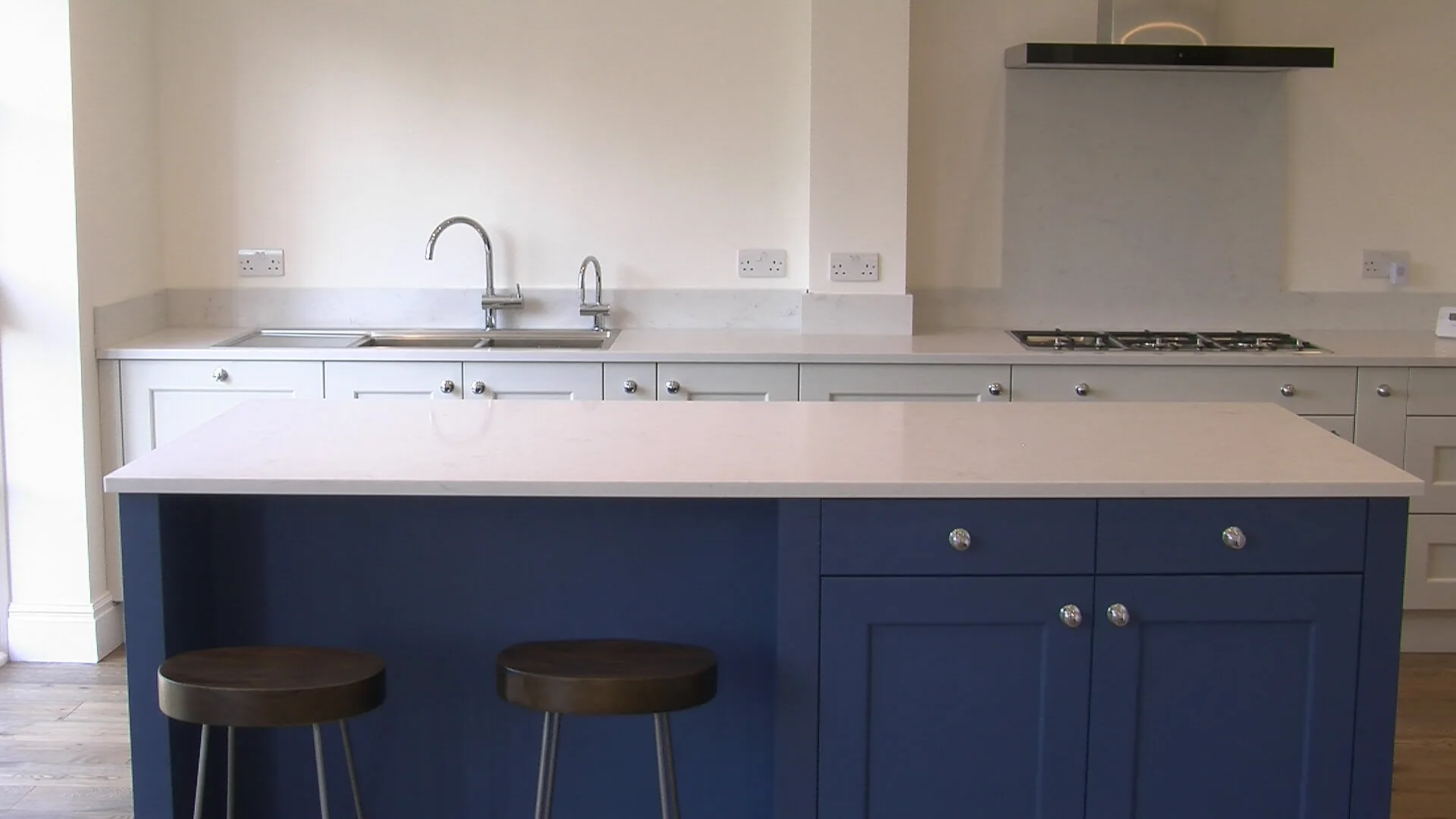
Kitchens and bathrooms hold considerable sway in buyer decision-making. A severely outdated kitchen or bathroom can deter buyers, but a full renovation is not always necessary. Sometimes small improvements—replacement worktops, new taps, improved lighting, fresh grout, or updated cabinet fronts—offer a more cost-effective balance.
3. Evaluating Your Local Property Market
The best renovation decision often depends on market conditions.
In a Seller’s Market
When demand is high, and properties sell quickly, you may not need to invest heavily in renovation. Minor improvements and essential repairs may be sufficient, as buyers have less negotiating power.
In a Buyer’s Market
When buyers have more choice, presentation becomes key. Renovated homes sell faster and for higher prices because they stand out among dated listings.
Neighbourhood Standards
Compare your property with nearby homes on the market. If similar homes are modern, stylish, and well maintained, leaving your home in dated condition may result in fewer viewings and lower offers. Conversely, if the area is full of older homes awaiting improvement, a heavy renovation may not provide a strong return.
4. Financial Considerations and Return on Investment
A renovation before selling should never cost more than it can realistically return.
Calculate Potential Resale Value
Begin by identifying the current market value of your home in its existing condition. Then assess what similar recently renovated properties have sold for in your area.
Estimate Renovation Costs Accurately
Underestimating costs is one of the biggest risks. Consider materials, labour, unexpected issues, and whether you will need temporary accommodation during major work.
Focus on High-ROI Improvements
The upgrades that often provide strong returns include:
- New or refinished flooring
- Fresh paint throughout
- Modern lighting
- Updated door hardware
- Kitchen refreshes (not always full renovations)
- Improved bathroom fixtures
- Enhanced kerb appeal
- Garden tidy-ups or pressure washing
Major extensions or structural changes rarely return full cost immediately before selling unless the property is in a prime area or originally severely undervalued.
Avoid Over-Personalisation
Renovations should appeal to the widest possible buyer audience. Neutral colours, simple finishes, and timeless designs work best.
5. Considering Your Timeline
Your timeline is crucial.
If You Need to Sell Quickly
Major renovations may slow you down and cause stress. In this case, focus on essential fixes and simple cosmetic upgrades that can be completed rapidly.
If You Have Flexibility
You have more freedom to plan impactful work with higher return on investment.
Preparing for Viewings and Marketing
Even without heavy renovation, preparing the home for photography and viewings can significantly affect sale outcomes. Decluttering, deep cleaning, staging furniture, and improving lighting make a strong difference.
6. Hidden Benefits of Renovating Before Selling
Beyond the immediate increase in property value, renovating can unlock several additional advantages.
Higher Quality Offers
Renovated homes tend to attract more serious buyers and reduce time spent negotiating over defects or repairs.
Smoother Survey Results
Many sales fall through because the buyer’s survey reveals issues. Addressing these first dramatically reduces risk.
Reduced Buyer Requests for Price Reductions
A well-maintained home leaves little room for aggressive negotiation.
Improved Energy Efficiency Ratings
Upgrades like insulation, new windows, or modern boilers can increase EPC scores, which many buyers actively look for.
7. Situations Where You Should Not Renovate
Renovation is not always the right decision. You may choose not to renovate if:
- You lack the time to manage building work
- Your budget is limited and would cause financial strain
- Your property is in a very desirable area where demand is high regardless
- The buyer profile is dominated by developers or investors
- The property requires full refurbishment, which buyers expect to carry out themselves
- You plan a large project that may not increase value enough to justify the cost
Selling “as is” can be a smart choice when the expected return does not outweigh the investment.
8. Renovations That Commonly Add Value Before Selling
Below is a breakdown of the improvements that typically add the most measurable value.
Kerb Appeal Enhancements
The entrance is the first impression a buyer receives. Improvements such as a repaired front path, repainted door, tidy garden, or new house numbers offer excellent return.
Painting and Decorating
Neutral, modern colours brighten rooms and help viewers imagine themselves living in the space.
Flooring Upgrades
Replacing worn carpets or installing modern flooring can lift the feel of the entire property.
Kitchen Enhancements
Buyers place significant value on the kitchen. Upgrades like new handles, splashbacks, or countertops can be worthwhile, and full replacement is only recommended when the kitchen is severely outdated.
Bathroom Refresh
Regrouting tiles, replacing taps, updating mirrors, or adding modern lighting can freshen bathrooms considerably.
Energy Efficiency Improvements
Smart thermostats, LED lighting, and improved insulation help buyers feel confident about long-term costs.
Final thoughts
Renovating before selling can be a strategic decision that improves your property’s value, attracts more buyers, strengthens offers, and speeds up the selling process. However, not all renovations are equal. The key is understanding your market, your property’s condition, your timeline, and your budget.
If essential repairs are needed, addressing them almost always pays off. If your home is outdated but functional, cosmetic improvements deliver excellent return on investment. But if the property requires full refurbishment or is being sold primarily to investors, major renovation may not be necessary.
Frequently asked questions
Does renovating before selling always increase the property’s value?
Not always. Renovation increases value only when the work aligns with what buyers in your area want and when costs are controlled. Over-spending or making unusual design choices may not produce a return. However, essential repairs and cosmetic refreshes typically provide good value.
What is the best renovation to do before selling a house?
The most effective improvements include painting, flooring upgrades, kitchen or bathroom refreshes, and kerb appeal enhancements. These changes boost visual impact and typically deliver high return for relatively low investment.
Should I renovate if the property is outdated but structurally sound?
Yes, in many cases. Outdated décor can make a property feel undervalued. Modernising key areas can attract more interest and increase the sale price, especially in a buyer’s market.
Should landlords renovate before selling a rental property?
Landlords selling a tenanted property should consider the buyer type. Investors may prefer it as it is, but if the tenant is leaving and the property is dated, light renovation can significantly increase appeal to residential buyers who are usually willing to pay more than investors.
Is it better to offer the buyer a discount instead of renovating?
Offering a discount can work in some cases, but buyers often overestimate the cost or effort of repairs. A small investment in improvements may prevent larger price reductions during negotiation.
How much should I spend on renovation before selling?
A common rule is not to exceed 1–3 percent of the property’s value on pre-sale improvements unless major structural issues require attention. Always compare the potential selling price difference against the total cost of the planned work.
About this guide. Written by the Milkov & Son Construction team and reviewed by Stoyan Milkov, Director & Project Manager. Cost figures are North London market guides for the year stated and not quotations; planning and Building Regulations summaries are general and should be confirmed for your property. About the company.


