
The Most Common Reasons Homeowners Choose Basement Conversions
For many homeowners in North London and across the UK, the question is no longer whether to extend their home, but how to do it in a way that creates

For many homeowners in North London and across the UK, the question is no longer whether to extend their home, but how to do it in a way that creates meaningful space without unnecessary disruption. With lofts already converted, gardens too small for extensions, or planning restrictions making upward or outward expansion challenging, attention is turning downwards. Basement conversions are becoming one of the most practical and innovative ways to unlock additional living space within an existing footprint.
What was once considered a premium, niche renovation has evolved into a mainstream home improvement strategy. From families needing more room, to professionals wanting dedicated work areas, to property investors seeking higher returns, basement conversions are solving problems that traditional extensions simply cannot address. They offer architectural freedom, year-round comfort, and the ability to tailor space entirely around a household’s lifestyle.
1. Creating More Usable Space Without Losing Garden Area
One of the strongest motivations for basement conversions is the ability to generate substantial new space without altering the external footprint of the property. For many urban homeowners, outdoor space is limited and often cherished. A rear extension may require sacrificing garden area, while a loft conversion offers space only suitable for certain types of rooms.
In contrast, a basement conversion allows you to expand your home without compromising outdoor areas. This is particularly valuable in North London, where gardens can be small and planning restrictions may limit above-ground development. A basement can provide a large, open-plan level suitable for multiple uses, offering genuine flexibility that other types of extensions struggle to match.
Homeowners often create:
- Guest bedrooms
- Playrooms or family rooms
- Home cinemas
- Utility rooms and storage zones
- Home offices or studios
The ability to reconfigure the entire home layout by moving certain functions downstairs is part of what makes basements such a powerful tool for modern living.
2. Adding Significant Property Value in Space-Constrained Areas
In competitive property markets, floor space is directly linked to property value. A basement conversion is one of the most effective ways to increase that space. In many London boroughs, adding a high-quality basement conversion can increase the value of a home by 10–20 percent or more, depending on the size and finish.
Unlike some extensions that offer only modest usable floor area, a full-footprint basement can double the usable living space on the ground floor level. This level of gain is rarely achievable through loft or rear extensions alone.
Buyers increasingly expect homes to offer flexible, multi-use interiors, and a well-designed basement often stands out in the market. This makes the renovation particularly attractive to property investors or homeowners considering selling in the future.
3. Avoiding Planning Restrictions and Taking Advantage of Permitted Development
Gaining planning permission for above-ground extensions can be time-consuming or even impossible in some areas. Conservation zones, restricted streetscapes, historic properties, or houses in closely built neighbourhoods may face tight controls on rear, side, or upward extensions.
Basement conversions, especially when converting an existing cellar or improving a partially dug space, typically encounter fewer planning challenges. Many internal basement conversions fall under permitted development, meaning formal planning permission may not be needed, although building regulations approval is still required.
This gives homeowners:
- Greater design freedom
- Faster project timelines
- Fewer administrative delays
- More predictable costs
In North London in particular, where conservation areas are widespread, basements offer a discreet and compliant way to increase space without altering the street-facing appearance of the property.
4. Creating Purpose-Built Spaces for Modern Lifestyles
The way people use their homes has changed dramatically in recent years. Remote work, home gyms, entertainment spaces, and multi-generational living have shifted how households allocate room. Basements are uniquely positioned to address these needs.
Popular purpose-built uses include:
- Home offices with acoustic insulation for quiet working.
- Fitness rooms or gyms that do not disturb other areas of the home.
- Cinema rooms that benefit from the natural acoustic advantages of a below-ground environment.
- Self-contained studios for relatives, guests, or rental purposes.
- Large family rooms that combine play areas, lounging spaces, and storage.
Unlike lofts, which can be limited by head height or structural constraints, basements offer the freedom to design a space from scratch. This makes them especially appealing for homeowners looking to create highly tailored environments that improve long-term home functionality.
5. Improving Storage and Household Organisation
Many homeowners struggle with overcrowded cupboards, cramped utility rooms, and limited household storage. A basement conversion provides the opportunity to reallocate laundry, storage, seasonal items, bulky equipment, or hobby spaces to a dedicated lower level.
This frees the main floors for more enjoyable living spaces and helps improve the overall flow of the home. A well-designed utility or storage basement can also increase the efficiency of heating, plumbing, and electrical systems, making the wider home more organised and easier to maintain.
6. Enhancing Privacy and Acoustic Separation
Basements naturally offer privacy and acoustic separation from the rest of the home and the outside environment. This makes them ideal for:
- Teenagers’ rooms
- Music rooms
- Work-from-home spaces
- Therapy or treatment rooms
- Meditation or relaxation spaces
The inherent sound insulation provided by the surrounding earth can be enhanced further with specialist construction techniques. As homeowners seek tranquil spaces within busy households, basements provide unmatched quiet and privacy.
7. Accommodating Growing Families or Multi-Generational Living
As families grow, homeowners often reach a point where their property no longer meets their needs. Instead of moving to a larger home, which can be costly, stressful, and impractical, many choose to expand downward.
A basement conversion can accommodate:
- Extra bedrooms
- Bathrooms
- Guest suites
- Playrooms
- Living areas for older family members
This is particularly appealing for families who want to remain in their community, keep children in the same schools, or avoid the costs associated with purchasing a larger property.
8. Future-Proofing the Home
A basement conversion not only benefits the household today but also prepares the property for future needs. As lifestyle demands change, a basement can adapt easily.
A space originally used as a gym can later become a bedroom. A playroom can evolve into a home office. A rented studio can eventually serve as living space for older relatives.
By creating a large, easily adaptable space, homeowners are building flexibility into the home, something increasingly valuable in an unpredictable housing market.
9. Improving Energy Efficiency and Home Comfort
With modern insulation, waterproofing, and ventilation systems, basements can be highly energy efficient. Below-ground levels naturally maintain stable temperatures, staying warm in winter and cool in summer. This makes them comfortable and reduces the strain on heating systems.
High-quality basement construction can also improve the thermal performance of the entire home, contributing to lower energy bills and better indoor air quality.
10. Making Use of an Existing Underused Space
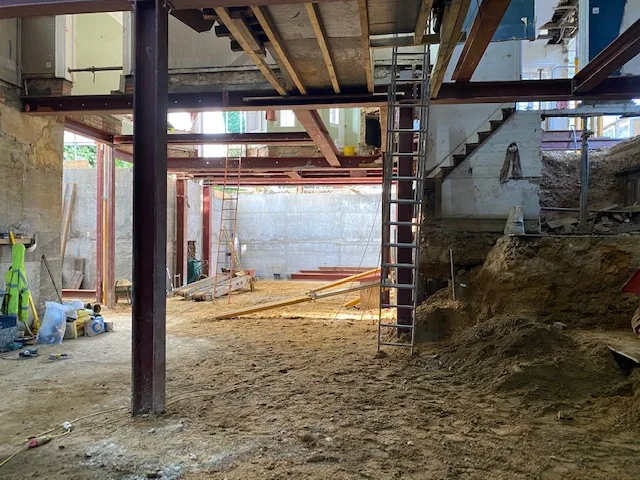
In many older properties, cellars or partial basements exist but are used only for storage or remain completely unused. Converting them into habitable rooms is often more cost-effective than building upward or outward.
These conversions typically involve:
- Lowering the floor
- Strengthening foundations
- Waterproofing
- Installing proper lighting and ventilation
- Creating internal access
Transforming a neglected lower level into a functional living space is one of the most efficient ways to enhance a property’s layout and overall value.
Final thoughts
Basement conversions have become one of the most effective and versatile ways for homeowners to expand their living space, especially in urban areas where traditional extensions are limited. Whether the goal is to create purpose-built rooms for modern living, increase property value, future-proof the home, or maintain precious garden space, basements offer a wealth of possibilities that other renovation options cannot match.
A well-planned basement conversion provides long-term comfort, flexibility, and financial benefit. When executed by experienced professionals who understand local regulations, structural requirements, and high-quality waterproofing techniques, the result is a stunning, functional level of the home that enhances daily life in countless ways.
Frequently asked questions
Do basement conversions require planning permission in the UK?
Many internal basement conversions fall under permitted development, meaning planning permission may not be necessary. However, significant alterations — such as lowering the floor, adding an external entrance, or expanding the footprint — may require planning approval. Building regulations approval is always required.
How long does a basement conversion typically take?
Timeframes vary based on the scale of the project. Converting an existing cellar may take 8–12 weeks, while creating a full basement beneath an existing home can take several months. Structural work, waterproofing, and finishing stages all influence the timeline.
Are basements prone to damp?
Modern waterproofing methods, such as cavity drainage membrane systems and integrated sump pumps, reduce the risk of damp to extremely low levels. When carried out by experienced contractors, a basement should remain dry and comfortable year-round.
How much value can a basement conversion add?
In areas with high property values, such as North London, a well-designed basement can significantly increase market value. Figures vary, but many homeowners see returns of 10–20 percent or more depending on size, finish, and usability.
Can a basement be used as a bedroom?
Yes, but it must meet specific building regulations relating to fire safety, natural light, ventilation, and escape routes. A compliant design ensures safety and maximises comfort.
Are basement conversions noisy or disruptive to carry out?
Basement work can be disruptive due to excavation, structural changes, and equipment usage. However, professional contractors use methods that minimise disturbance, protect surrounding structures, and keep work contained as much as possible. Clear planning and communication help manage expectations throughout the project.
About this guide. Written by the Milkov & Son Construction team and reviewed by Stoyan Milkov, Director & Project Manager. Cost figures are North London market guides for the year stated and not quotations; planning and Building Regulations summaries are general and should be confirmed for your property. About the company.