
What Makes or Breaks a Kitchen Extension
A kitchen extension is one of the most common and valuable home improvement projects in the UK. For many households, the kitchen is no longer just a place to

A kitchen extension is one of the most common and valuable home improvement projects in the UK. For many households, the kitchen is no longer just a place to cook. It is a social space, a working area, and often the centre of daily life. When done well, a kitchen extension can completely transform how a home functions and feels. When done poorly, it can become a costly source of frustration that fails to deliver on expectations.
Unlike cosmetic renovations, a kitchen extension involves structural work, planning decisions, design coordination, and long-term financial commitment. Small misjudgements early in the process can have lasting consequences, while thoughtful planning can result in a space that adds comfort, usability, and genuine property value.
Clarity of Purpose from the Start
One of the most common reasons kitchen extensions fall short is a lack of clarity at the planning stage. Many projects begin with a vague idea of “making the kitchen bigger” without fully defining how the space will be used.
A successful kitchen extension starts with clear answers to key questions. Will the space be primarily for cooking, dining, entertaining, working, or a combination of all four? How many people will use it daily? Will children, guests, or clients use the space regularly? Should it feel open and social, or calm and functional?
Without clear priorities, design decisions become reactive rather than intentional. This often leads to layouts that look impressive on drawings but fail in everyday use. When purpose is defined early, every decision, from room proportions to storage placement, becomes more coherent and effective.
Layout and Flow That Reflect Real Life
Layout is one of the biggest factors that determines whether a kitchen extension succeeds or fails. A larger kitchen does not automatically mean a better kitchen. Poor flow, awkward circulation routes, and impractical planning can make even a spacious extension feel uncomfortable.
Good layout design considers how people move through the space, not just how it looks in isolation. Walkways should feel natural rather than forced. Cooking zones should not clash with seating areas. Door openings, islands, and dining tables should not interrupt daily movement.
A common mistake is over-prioritising open-plan design without enough thought. While open layouts are popular, they require careful planning to prevent noise, clutter, and visual overload from taking over the space. In many cases, subtle planning through layout, ceiling changes, or furniture positioning creates a more balanced and usable environment.
Natural Light and Its Direction
Natural light plays a defining role in the success of a kitchen extension. Extensions that feel dark, flat, or disconnected from the rest of the house often suffer from poor lighting strategy rather than poor size.
The direction of light matters as much as the amount. South-facing extensions can feel bright and warm but may require shading to prevent overheating. North-facing spaces benefit from consistent light but need careful window placement to avoid a cold atmosphere.
Rooflights, glazed doors, and internal sightlines all contribute to how light travels through the space. A well-designed extension often improves light levels not only in the new kitchen but also in adjacent rooms. When light is treated as a design element rather than an afterthought, the entire home benefits.
Connection to the Existing House
One of the most overlooked aspects of kitchen extensions is how the new space connects to the existing home. A visually impressive extension can still fail if it feels disconnected or awkward to access.
Floor level changes, ceiling heights, and transitional spaces need careful coordination. Sudden steps, narrow openings, or mismatched proportions can make the extension feel separate rather than integrated.
Successful extensions respect the original structure while improving how the house works as a whole. This might involve rethinking internal walls, aligning sightlines, or creating gradual transitions between old and new areas. The goal is continuity, not contrast for its own sake.
Structural Decisions and Build Quality
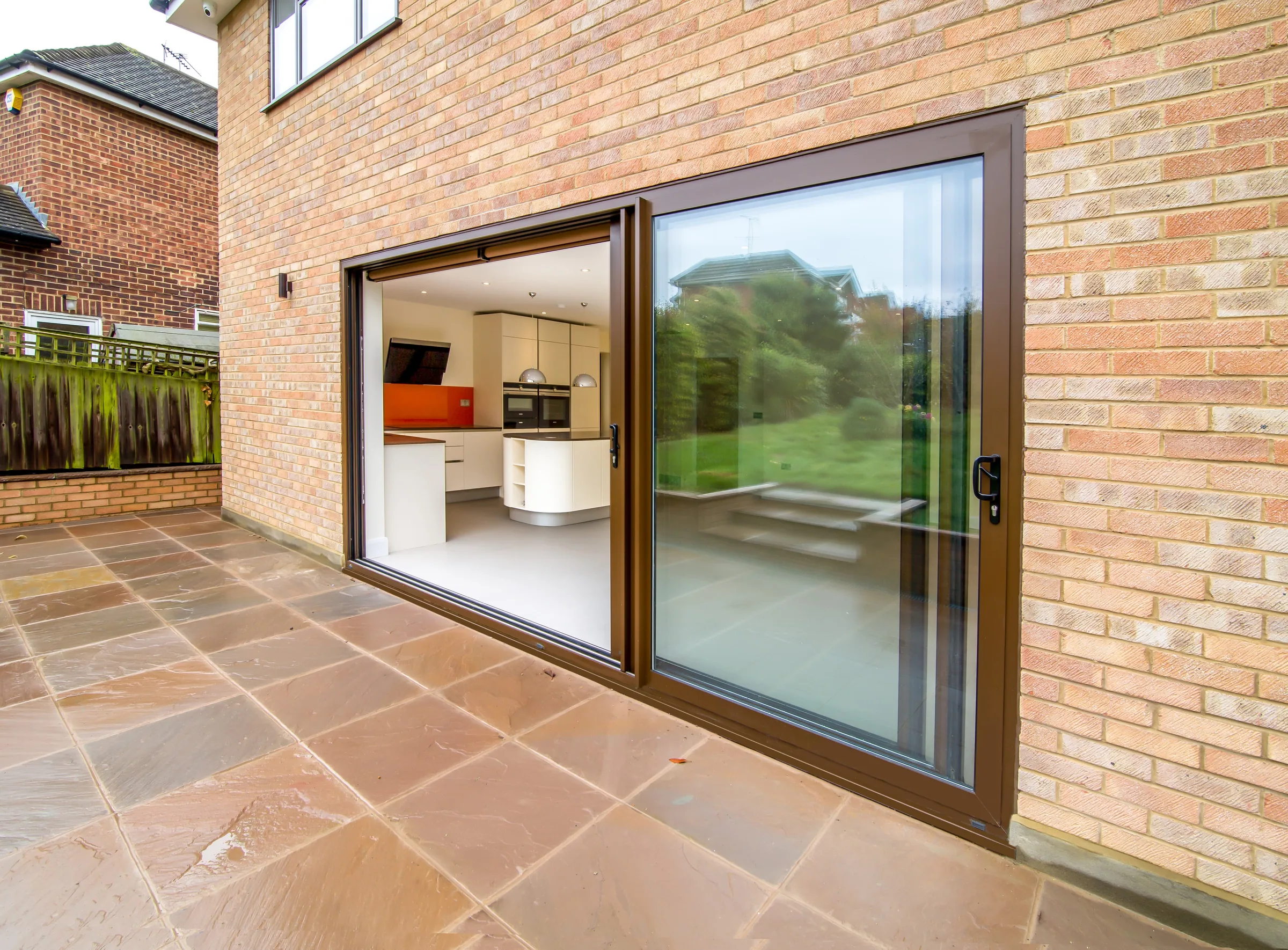
Structural choices sit at the heart of every kitchen extension, yet they are often invisible once the project is complete. Decisions about foundations, steelwork, insulation, and load-bearing walls have long-term implications for comfort, durability, and maintenance.
Cutting corners at this stage is one of the fastest ways to break a project. Structural compromises may reduce upfront costs, but they often lead to problems such as cracking, movement, poor thermal performance, or limited future flexibility.
High build quality also affects how finishes perform over time. Well-installed floors, properly supported units, and accurate construction tolerances all contribute to a kitchen that ages well. A solid structure allows design elements to shine rather than compensate for underlying issues.
Budget Control and Realistic Costing
Budget management is one of the most decisive factors in whether a kitchen extension is perceived as a success or a failure. Problems often arise not because budgets are too small, but because they are unrealistic or poorly allocated.
Many homeowners underestimate the full scope of costs involved. Beyond construction and kitchen units, expenses often include professional fees, structural calculations, drainage work, electrical upgrades, flooring, lighting, and external landscaping.
A well-planned budget allows for contingencies and prioritises elements that are difficult or expensive to change later. Overspending on easily replaceable finishes while underfunding structure, layout, or services often leads to regret. Projects that stay within budget tend to feel calmer and more controlled from start to finish.
Choosing the Right Builder and Team
The quality of the team delivering the extension has a direct impact on the final result. A well-designed kitchen extension can still fail if it is poorly executed, while a modest design can succeed with skilled workmanship and good communication.
Choosing a builder based solely on price is a common mistake. Experience with extensions, particularly kitchens, matters far more than headline cost. Extensions require careful coordination between trades, sensitivity to existing structures, and an understanding of how people live during construction.
Clear communication, realistic timelines, and transparency around variations all contribute to a smoother process. A strong working relationship between homeowner, builder, and designer often makes the difference between a stressful project and a rewarding one.
Storage and Practical Functionality
A kitchen extension that looks impressive but lacks practical storage quickly becomes frustrating. Storage should be designed around real habits rather than idealised images.
Consider how food, appliances, cleaning supplies, and everyday items are used and accessed. Deep drawers, tall larders, and well-planned utility zones often improve functionality more than additional floor space.
Failing to plan storage early can result in cluttered surfaces and underused areas. Practical design choices support long-term satisfaction and make the space easier to live with every day.
Heating, Ventilation, and Comfort
Comfort is often underestimated in kitchen extensions, particularly those with large glazed areas. Without proper heating, ventilation, and insulation, even a visually appealing extension can feel uncomfortable for much of the year.
Underfloor heating, well-positioned radiators, or efficient heat pumps all contribute to consistent temperature control. Ventilation is equally important, especially in open-plan kitchens where cooking smells and moisture can spread throughout the home.
A comfortable extension encourages regular use and becomes a genuine living space rather than an occasional showpiece.
Long-Term Value and Future Proofing
A kitchen extension is a long-term investment. Decisions should account not only for current needs but also for future changes in lifestyle, family size, or property use.
Flexible layouts, durable materials, and neutral foundations allow the space to adapt over time. Extensions that are overly tailored to short-term trends may feel dated sooner than expected.
When designed with longevity in mind, a kitchen extension enhances both daily living and long-term property value. This balance is often what separates a good project from a great one.
Final thoughts
A kitchen extension can either become the heart of a home or a reminder of missed opportunities. What makes or breaks the project is rarely a single decision, but rather a series of choices made from the very beginning.
Clarity of purpose, thoughtful layout, strong connection to the existing house, and high build quality all play central roles. Budget realism, team selection, and long-term thinking further shape the outcome. When these elements align, the result is a space that feels natural, functional, and valuable for years to come.
Frequently asked questions
How long does a typical kitchen extension take to complete?
Most kitchen extensions take between four and six months from the start of construction, depending on size, complexity, and weather conditions. Planning and design stages often add several months before building begins.
Do kitchen extensions always add value to a property?
When well designed and properly built, kitchen extensions usually add value. Poor layout, low build quality, or overdevelopment can limit returns, so design and execution are critical.
Is planning permission always required for a kitchen extension?
Not always. Some extensions fall under permitted development, but rules vary based on location, property type, and design. Professional advice should always be sought before starting.
What is the most common mistake people make with kitchen extensions?
The most common mistake is prioritising appearance over layout and functionality. A visually striking kitchen that does not work well day to day often leads to disappointment.
Should I design the kitchen before or after the extension plans are finalised?
Kitchen design should be considered alongside extension plans. Layout, services, and structure all influence one another, and early coordination avoids costly changes later.
How can I keep disruption to a minimum during the build?
Clear scheduling, good communication, and realistic expectations help manage disruption. Many households plan temporary cooking arrangements to reduce daily stress during construction.
About this guide. Written by the Milkov & Son Construction team and reviewed by Stoyan Milkov, Director & Project Manager. Cost figures are North London market guides for the year stated and not quotations; planning and Building Regulations summaries are general and should be confirmed for your property. About the company.


