
Why a Home Extension Might Be Better Than Moving House
When your home starts to feel cramped or no longer fits your lifestyle, the first thought many homeowners have is to move. However, selling up and finding a

When your home starts to feel cramped or no longer fits your lifestyle, the first thought many homeowners have is to move. However, selling up and finding a new property often comes with hidden costs, stress, and uncertainty. A home extension offers a compelling alternative, allowing you to create more space, increase comfort, and boost your property’s value without leaving your beloved neighbourhood.
Extending your home is no longer seen as just a practical solution to space issues; it’s a strategic investment in your property and lifestyle. With the help of skilled home builders and architects, a well-planned extension can transform how you live and work, while saving money and avoiding the disruption of relocation.
This article explores why a home extension might be the better option compared to moving house, the financial and emotional benefits, and what to consider before taking the leap.
1. Financial Advantages of Extending Over Moving
Moving home comes with a long list of expenses that often add up to far more than expected. Estate agent fees, legal costs, stamp duty, surveys, and removal expenses can easily reach tens of thousands of pounds. Even before you’ve settled in, a large chunk of your budget is already gone, money that could have gone towards improving your current property.
By contrast, a home extension allows you to reinvest that money into your own asset. Every penny spent goes towards increasing your property’s value and liveability. Whether it’s an extra bedroom, a larger kitchen, or an open-plan living area, you’re directly improving your home’s functionality and resale appeal.
Moreover, extending your home can be more cost-efficient per square foot than buying a larger house. With rising property prices in many parts of the UK, building upwards or outwards often makes far more sense financially than upgrading to a bigger property elsewhere.
2. Avoiding the Hidden Costs and Stress of Moving
While moving house might sound simple, it’s one of the most stressful experiences for most people. Beyond the financial burden, there’s the emotional upheaval of leaving familiar surroundings, neighbours, and routines. The process of selling your home can also drag on for months, with potential buyers pulling out, chains collapsing, or surveys revealing unexpected issues.
A home extension eliminates much of this stress. You can stay in the area you love, maintain your children’s schooling, and avoid the emotional toll of relocation. With a clear plan and professional support, an extension can be completed with minimal disruption, and you’ll have complete control over the design and outcome.
3. Increasing Property Value
A well-designed extension can significantly increase your property’s value, often more than covering the cost of the project. Additional space is one of the most desirable features for homebuyers, and extensions such as loft conversions, kitchen-diners, or garden rooms tend to deliver some of the highest returns on investment.
For instance, adding an extra bedroom or expanding a living area can make your home far more attractive on the market. Even if you don’t plan to sell soon, you’re effectively future-proofing your property by increasing its appeal and functionality for years to come.
4. Customising Your Living Space to Suit Your Needs
Every family’s lifestyle evolves over time. Whether you’re welcoming new family members, working from home more often, or simply craving more open space, a home extension offers complete flexibility to design your home around your needs.
Unlike buying a new property, where compromises are almost always required, extending allows you to create a tailor-made solution. You can add the exact rooms you need, integrate modern materials, or open up living spaces with natural light and improved flow.
A professional home builder or design and build company can guide you through this process, helping you balance aesthetic goals with practical functionality. The result is a home that’s truly yours in every sense.
5. Staying in a Location You Love
Location is often the hardest thing to replace when moving house. You may have established friendships, access to good schools, reliable transport links, and a sense of community that’s impossible to replicate elsewhere.
A home extension lets you stay rooted in your local area while improving your lifestyle. You can modernise your home, make it more energy efficient, and gain the space you need, all without losing the familiarity and convenience of your current location.
In many cases, extending your home helps you fall in love with your property all over again. What once felt too small or outdated can become a bright, functional, and comfortable space tailored exactly to your lifestyle.
6. Modernising and Future-Proofing Your Home
Another major advantage of extending your home instead of moving is the opportunity to modernise and future-proof it. While older homes often have character, they can lack energy efficiency, modern layouts, or storage solutions.
During an extension project, you can update insulation, install underfloor heating, upgrade windows, or include sustainable technologies such as solar panels or air-source heat pumps. This not only reduces your energy bills but also ensures your home remains comfortable and environmentally friendly for decades.
Future-proofing is especially important for families planning to stay long-term. Extensions can adapt your home for future needs, such as creating accessible layouts for ageing in place or adding multi-purpose rooms for evolving lifestyles.
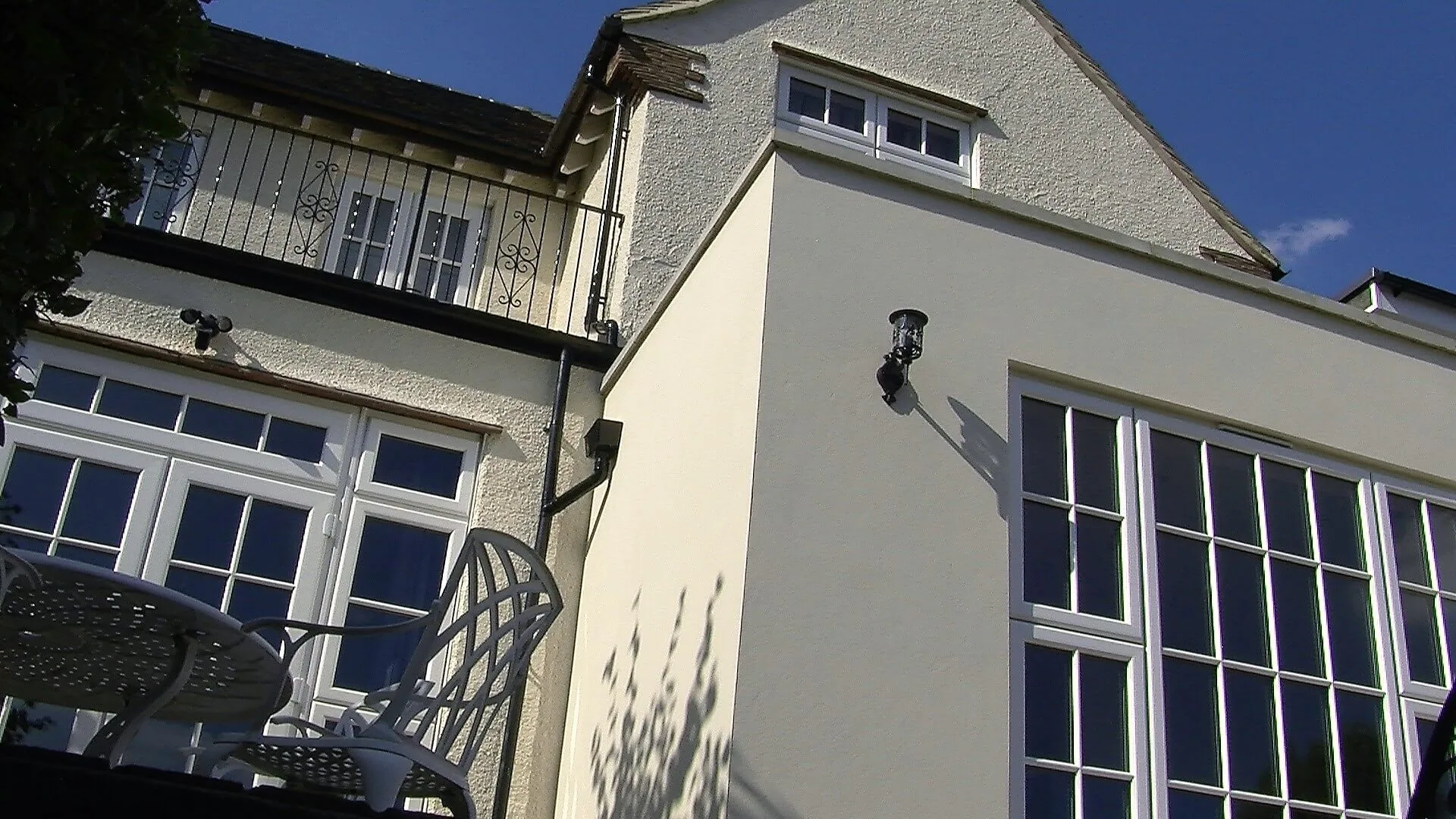
7. Better Use of Existing Land and Space
If you own a detached or semi-detached property, there’s often untapped potential right on your doorstep. Side returns, unused garden areas, or lofts can be transformed into valuable living space. Even smaller terraced homes can benefit from clever architectural planning to create additional rooms without compromising outdoor areas.
Home extensions make the most of your property’s footprint, adding functionality without needing to move elsewhere. You’re making your land work harder for you, something that’s increasingly valuable in areas where space is at a premium.
8. Flexibility in Design and Budget
Unlike purchasing a new home, extending offers full control over both design and cost. You can choose the scale of your project, from a modest single-storey addition to a full two-storey transformation.
This flexibility means you can work with your builder to phase the project according to your budget or long-term plans. You can also choose materials, layouts, and finishes that suit your aesthetic preferences and financial goals, ensuring every detail aligns with your vision.
Final thoughts
Choosing between extending your home and moving house is a major decision, but for many homeowners, extending offers far more advantages. It allows you to stay in the community you love, save money, and create a home tailored precisely to your lifestyle.
By investing in a well-designed home extension, you not only gain valuable space and comfort but also strengthen your property’s long-term value and sustainability. With the right builder and careful planning, your current house can easily become your dream home without the stress, cost, and upheaval of moving.
Whether you’re planning a kitchen expansion, a new bedroom, or a complete redesign of your ground floor, a home extension might just be the smartest move you’ll ever make.
Frequently asked questions
Is a home extension cheaper than moving house?
In most cases, yes. Moving house involves numerous hidden costs such as stamp duty, estate agent fees, conveyancing, and removals. These can often exceed the cost of a well-planned extension, especially when factoring in the increase in property value an extension provides.
Will an extension increase my home’s value?
Absolutely. A high-quality extension adds usable living space, which is one of the biggest drivers of property value. Whether you add an extra bedroom, office, or open-plan kitchen, you’re improving both functionality and market appeal.
How long does a home extension take?
This depends on the scale and complexity of the project. On average, smaller single-storey extensions can take three to five months, while larger or multi-storey projects may take six months or more. A good design and build company will provide a detailed timeline from the outset.
Do I need planning permission for a home extension?
Not always. Many extensions fall under permitted development rights, meaning they don’t require full planning permission as long as they meet specific size and placement rules. However, it’s always wise to consult your local planning authority or builder for guidance.
Can I live in my house during the extension work?
In many cases, yes. Builders can often phase work or section off construction areas to minimise disruption. However, this depends on the scope of the project; larger renovations may require temporary relocation for safety and convenience.
How do I choose the right builder for my home extension?
Look for experienced professionals with a proven track record in home extensions. Check references, review previous projects, and ensure they are fully insured and accredited. A design and build company can handle both design and construction, ensuring a smooth and cohesive process from start to finish.
About this guide. Written by the Milkov & Son Construction team and reviewed by Stoyan Milkov, Director & Project Manager. Cost figures are North London market guides for the year stated and not quotations; planning and Building Regulations summaries are general and should be confirmed for your property. About the company.


