
Why Basement Ceiling Height Matters for Everyday Use
Basements have changed dramatically in the way they are used within modern homes and commercial properties. What was once considered a purely functional

Basements have changed dramatically in the way they are used within modern homes and commercial properties. What was once considered a purely functional space for storage, utilities, and occasional laundry is now commonly transformed into living areas, offices, entertainment rooms, gyms, or even self contained apartments. As homeowners and developers look for ways to maximise usable space within a property, the basement often becomes a valuable opportunity.
However, one factor determines whether a basement feels practical and comfortable or restrictive and awkward: ceiling height.
Ceiling height affects how a space feels, how it can legally be used, how light behaves within the room, and even how people move through it day to day. A basement with generous ceiling height can function almost like the rest of the home. A basement with limited height may struggle to support everyday use comfortably.
Builders, architects, and renovation specialists regularly emphasise ceiling height when assessing basement potential. For homeowners considering a renovation or extension below ground level, understanding the importance of ceiling height helps prevent costly design mistakes and ensures the space works well for daily life.
Comfort and Psychological Perception of Space
One of the first things people notice when entering a basement is how the ceiling feels relative to the floor.
Even a difference of a few centimetres can significantly change the perception of space. Low ceilings can create a sense of confinement, making rooms feel cramped or oppressive. Taller ceilings make a basement feel open and usable, similar to the rest of the house.
Humans naturally associate higher ceilings with comfort and freedom of movement. In spaces where people spend extended periods such as living rooms, offices, or bedrooms, this perception matters greatly.
When a basement ceiling is too low, occupants may unconsciously adjust their posture or feel restricted while walking through the room. Over time this discomfort reduces how frequently the space is used.
For example:
A basement designed as a cinema room might feel cosy with a slightly lower ceiling.
A basement office or gym requires more vertical space for comfort.
A guest bedroom benefits from normal ceiling height to avoid feeling temporary or improvised.
Ceiling height directly influences whether a basement feels like part of the home or simply a converted storage area.
Everyday Movement and Functionality
Beyond perception, practical movement within a basement depends heavily on ceiling height.
Activities such as walking, stretching, exercising, or carrying objects require adequate vertical clearance. In a basement with limited ceiling height, everyday tasks can become inconvenient.
Examples include:
Carrying laundry baskets upstairs
Moving furniture into the basement
Using exercise equipment
Installing shelving or tall storage units
Walking under beams or ductwork
Many older basements contain exposed structural beams, pipes, and mechanical systems that reduce usable clearance even further. When ceiling height is already limited, these obstacles can make movement awkward.
Builders often plan mechanical systems carefully during renovations to maximise headroom. Ductwork may be routed through walls, and beams may be integrated into design features where possible.
These adjustments help maintain a comfortable clearance throughout the basement.
Lighting and Overall Atmosphere
Lighting behaves differently in basements compared to above ground rooms. Limited natural light combined with lower ceilings can easily create dark and heavy environments.
Higher ceilings improve how both natural and artificial light spreads throughout the space.
When ceilings are taller:
Light fixtures can be positioned more effectively.
Light reflects better across walls and floors.
Rooms feel brighter and less enclosed.
There is more flexibility in lighting design.
In contrast, very low ceilings can make lighting feel harsh or uneven. Fixtures may need to sit close to eye level, which can cause glare or uncomfortable shadows.
Interior designers frequently use lighter colours, reflective materials, and strategic lighting placement to improve basement brightness. However, ceiling height remains one of the most influential factors affecting the overall atmosphere.
Flexibility for Different Types of Rooms
The way a basement can be used depends heavily on ceiling height.
A taller basement opens the door to a wide range of functional spaces. A shorter one may limit options considerably.
Examples of common basement uses include:
Family rooms
Home cinemas
Guest bedrooms
Rental apartments
Home gyms
Offices or studios
Playrooms
Wine cellars
Utility and laundry areas
Certain uses demand more height than others.
A gym requires space for standing exercises and equipment.
A bedroom must meet building regulations for ceiling height in many jurisdictions.
A cinema room can function with slightly lower ceilings because seating positions are lower.
When ceiling height is limited, homeowners may need to choose room types that suit the available space rather than the space they originally envisioned.
For this reason, ceiling height often becomes the deciding factor in whether a basement can support major lifestyle upgrades.
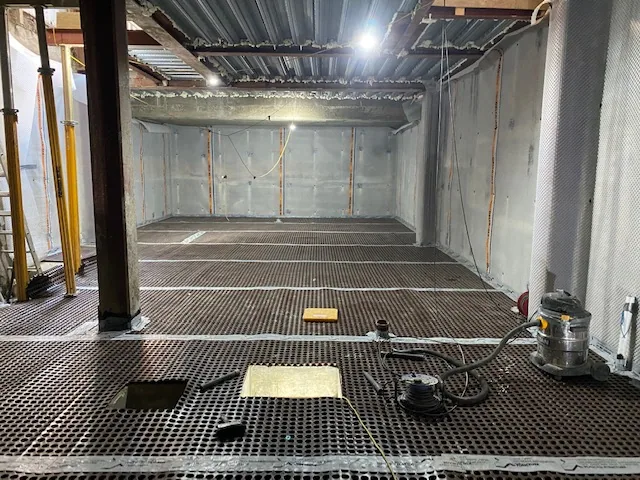
Building Regulations and Legal Requirements
Basement ceiling height is not purely a comfort issue. In many regions, building regulations specify minimum ceiling heights for habitable rooms.
These regulations ensure that spaces used for sleeping, living, or working meet safety and health standards.
Typical regulations may require:
Minimum ceiling height across most of the room
Allowances for beams or ductwork
Specific height requirements for bedrooms
Additional requirements for basement apartments or rental units
If a basement does not meet these standards, it may not legally qualify as living space. This can affect property value and restrict how the room can be marketed or rented.
Homeowners planning renovations should consult building professionals early in the process to ensure compliance with local regulations.
Ignoring these rules can result in costly redesigns or rejected planning applications.
Structural Constraints in Existing Homes
Many homes were built long before basements were expected to serve as living spaces. As a result, ceiling heights in older basements can be limited.
Common reasons include:
Foundation depth limitations
Structural beams supporting upper floors
Older plumbing and heating systems
Shallow excavation during original construction
These structural constraints may restrict how much headroom is available.
However, several solutions may improve ceiling height during renovations.
Lowering the Basement Floor
One common technique involves excavating the basement floor to increase vertical clearance. This process, sometimes called underpinning or benching, allows the foundation to remain structurally sound while increasing ceiling height.
Although effective, this process can be complex and expensive. Structural engineers must carefully design the work to protect the existing building.
Reconfiguring Mechanical Systems
Heating ducts, plumbing pipes, and electrical systems often occupy valuable ceiling space.
During renovations, contractors may relocate these systems within walls or between floor joists to improve headroom.
Structural Beam Adjustments
In some cases, exposed beams can be replaced with steel beams that require less depth while maintaining structural strength. This creates additional clearance without compromising the building’s stability.
Each of these solutions requires professional planning and engineering expertise.
Impact on Property Value
Basement ceiling height can significantly influence how potential buyers perceive a property.
A tall, comfortable basement may be marketed as:
Additional living space
A rental apartment
A home office suite
An entertainment area
These features increase property appeal and often raise resale value.
On the other hand, a basement with limited headroom may only be considered storage space. Even if renovated, buyers may hesitate to treat it as a primary living area.
Estate agents frequently highlight ceiling height when marketing renovated basements. A well designed basement that feels spacious can dramatically enhance the overall value of a property.
Design Opportunities With Taller Ceilings
Higher ceilings also provide more creative freedom for interior design.
Design elements that become possible include:
Feature lighting
Acoustic treatments for cinemas
Decorative beams
Tall shelving units
Artwork placement
Statement lighting fixtures
These design features help a basement feel fully integrated into the home rather than secondary space.
Interior designers often treat tall basements similarly to ground floor rooms, allowing for more ambitious layouts and aesthetics.
Safety and Emergency Considerations
Ceiling height also plays a role in safety.
In basements designed for regular use, adequate headroom helps people move quickly and safely. This is especially important during emergencies when occupants may need to exit the space quickly.
Low ceilings combined with beams or pipes increase the risk of head injuries or accidental collisions.
Proper head clearance reduces these hazards and makes the basement safer for everyday activities.
Safety considerations are particularly important for basements used as bedrooms or rental units.
Long Term Practicality
When homeowners renovate a basement, they often focus on immediate goals such as creating a home theatre or office.
However, basement spaces frequently change function over time.
A playroom may become a guest bedroom.
A storage area may become a home gym.
A hobby room may later serve as a home office.
Adequate ceiling height ensures the basement remains adaptable for future uses.
Homes that prioritise flexibility tend to retain their value and usability for longer periods.
Final thoughts
Basement ceiling height is one of the most important factors influencing whether a basement can function as practical everyday living space.
Height affects comfort, lighting, movement, design possibilities, and legal compliance with building regulations. Even small differences in headroom can transform how a basement feels and how it can be used.
For homeowners planning basement renovations or extensions, evaluating ceiling height early in the process is essential. Structural limitations, mechanical systems, and Building Regulations all play a role in determining what is achievable.
When ceiling height is carefully considered during design and construction, a basement can become a valuable and versatile part of the home. Instead of remaining an overlooked storage area, it can support work, relaxation, entertainment, and everyday life.
Frequently asked questions
How high should a basement ceiling ideally be?
While requirements vary depending on local regulations, many Building Regulations require a minimum ceiling height of around 2.1 metres for habitable rooms. Taller ceilings often provide better comfort and flexibility.
Can basement ceilings be raised during renovation?
Yes, raising a basement ceiling is possible through methods such as lowering the basement floor or adjusting structural elements. These projects require professional engineering and careful construction planning.
Do low ceilings make a basement unusable?
Not necessarily. Low ceilings may still work for storage, cinema rooms, or utility spaces. However, they may limit the ability to create bedrooms or full living areas.
Does basement ceiling height affect property value?
Yes. Basements that feel spacious and comfortable are more attractive to buyers and can increase the perceived value of the property.
What causes basements to have low ceilings?
Older construction methods, shallow foundations, exposed beams, and mechanical systems often contribute to reduced headroom in basements.
Are taller basement ceilings worth the extra renovation cost?
In many cases, yes. Increased ceiling height improves usability, comfort, design options, and long term property value.
About this guide. Written by the Milkov & Son Construction team and reviewed by Stoyan Milkov, Director & Project Manager. Cost figures are North London market guides for the year stated and not quotations; planning and Building Regulations summaries are general and should be confirmed for your property. About the company.
