
Why Ceiling Design Plays a Bigger Role in Extensions Than Most Homeowners Realise
When homeowners plan a property extension, most attention naturally focuses on floor layouts, kitchen positioning, window placement, and the overall size of

When homeowners plan a property extension, most attention naturally focuses on floor layouts, kitchen positioning, window placement, and the overall size of the new space. Ceilings, however, often receive far less thought during the early planning stages. Many people assume ceilings are simply a structural necessity rather than a major design feature.
In reality, ceiling design plays a significant role in how an extension looks, feels, and functions. The height, shape, and detailing of a ceiling influence natural light levels, perceived room size, heating efficiency, and the overall atmosphere of the space. A well designed ceiling can transform an extension from a basic addition into a striking architectural feature that enhances the entire home.
Builders and architects frequently emphasise that ceiling design decisions should be made early in the planning process. Changing these elements later can be difficult and expensive once structural work has begun.
The Ceiling Sets the Sense of Space
One of the most powerful effects of ceiling design is how it influences the perception of space. Ceiling height and shape directly affect whether a room feels open and spacious or compact and enclosed.
Many traditional homes have ceilings between 2.3 and 2.4 metres high. While perfectly functional, these heights can sometimes make larger extension areas feel less impressive than expected. Raising the ceiling even slightly can dramatically improve the sense of openness.
Higher ceilings allow rooms to feel lighter, calmer, and more comfortable. In extension spaces that combine kitchens, dining areas, and living areas, this sense of volume is particularly important. Open plan layouts benefit from ceilings that reinforce the scale of the room rather than limiting it.
Even modest increases in height can make a noticeable difference. Homeowners often find that a few additional centimetres significantly enhance the overall feel of the space.
Ceiling Design Shapes Natural Light
Natural light is one of the most sought after features in modern extensions. Many projects prioritise large glass doors, skylights, or roof lanterns to bring sunlight deep into the home.
Ceiling design plays a major role in how effectively that light spreads through the space.
A well designed ceiling can help reflect light around the room rather than trapping it in one area. Sloped ceilings, vaulted designs, and carefully positioned skylights allow sunlight to travel further into the interior. This reduces the need for artificial lighting during the day and creates a brighter living environment.
For example, a flat ceiling with small windows may allow light to enter the room but fail to distribute it effectively. In contrast, a vaulted ceiling with roof glazing can pull light down from above and spread it across a larger area.
Architects often use ceiling design to guide the path of natural light, improving both brightness and visual comfort.
Structural Design and Ceiling Layout Are Closely Connected
Ceilings are not only visual elements. They are closely tied to the structural framework of the extension.
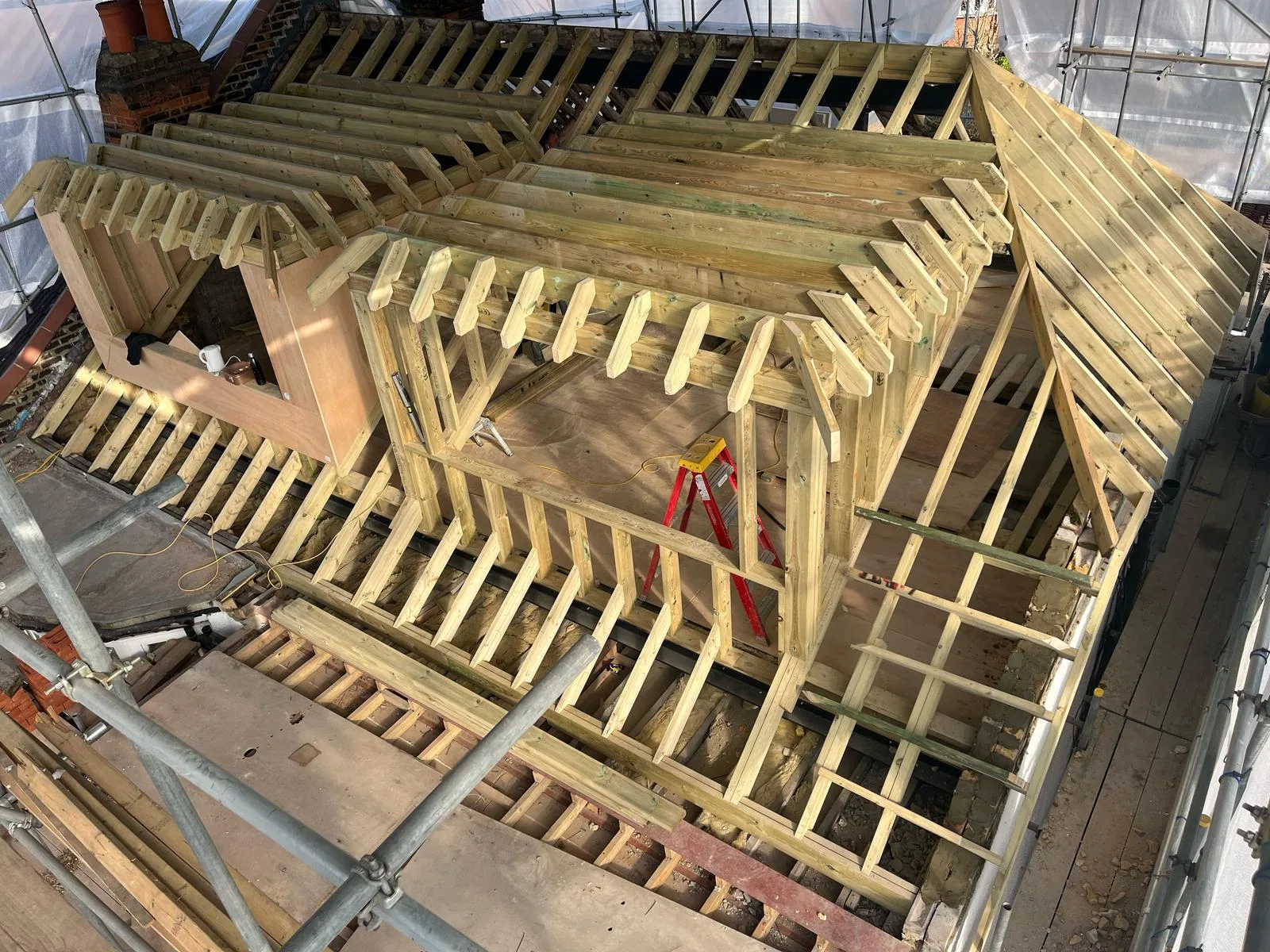
The type of ceiling chosen will influence the beams, supports, and roof structure required during construction. Steel beams, timber joists, and load bearing walls all play a role in shaping what is possible.
For example, achieving a large open plan extension without internal support columns often requires carefully positioned structural steel beams. These beams may sit within the ceiling void or be exposed as part of the design.
Homeowners sometimes request structural changes late in the building process after seeing how the space looks. Unfortunately, altering ceiling heights or beam positions after construction has begun can lead to delays and additional costs.
Planning the ceiling design alongside the structural layout ensures the extension remains both safe and visually appealing.
Vaulted Ceilings Create Architectural Impact
Vaulted ceilings have become increasingly popular in modern extension design. Instead of a flat ceiling running parallel to the floor, the ceiling rises upward following the roofline.
This design creates a sense of height and architectural interest that standard ceilings cannot match.
Vaulted ceilings work particularly well in rear extensions where homeowners want the new space to feel distinctive compared with the original house. The upward slope naturally draws the eye, creating a dramatic focal point.
In kitchen extensions, vaulted ceilings can help balance the visual weight of cabinets, islands, and appliances. They also provide additional space for large pendant lights or statement lighting features.
However, vaulted ceilings require careful insulation and structural planning. Builders must ensure the roof structure can support the design while maintaining energy efficiency.
Ceiling Height Influences Property Value
Although ceilings may appear to be a purely aesthetic feature, they can also influence the long term value of a property.
Homes with higher ceilings often feel more premium and desirable to buyers. Spacious interiors tend to photograph better in property listings and create stronger first impressions during viewings.
When extensions are designed with thoughtful ceiling heights and architectural features, they often appear more integrated with the original property rather than feeling like simple add ons.
Property professionals frequently note that buyers respond positively to extensions that feel bright, open, and well proportioned. Ceiling design plays a major role in achieving this impression.
Investing in thoughtful ceiling planning can therefore contribute to stronger resale potential in the future.
Ceiling Design Affects Heating and Energy Efficiency
Energy efficiency is an important consideration in modern construction, particularly with rising energy costs.
Ceiling height directly affects how a room retains heat. Warm air naturally rises, meaning spaces with very high ceilings may require more heating to maintain comfortable temperatures.
However, good design can balance these challenges.
Proper insulation within the roof structure prevents heat loss, while underfloor heating systems can help distribute warmth evenly throughout the space. Ceiling fans can also improve air circulation in taller rooms.
Modern building regulations require strict insulation standards for extensions, ensuring that ceiling design does not compromise energy performance.
When designed correctly, high ceilings can remain comfortable while still delivering the visual benefits homeowners want.
Lighting Design Depends on Ceiling Planning
Artificial lighting is another area where ceiling design becomes extremely important.
The position and height of the ceiling determine how different lighting types perform. Recessed lighting, pendant fixtures, and indirect lighting all interact differently with ceiling surfaces.
Flat ceilings are often ideal for recessed spotlights, providing even illumination across the room. Vaulted ceilings, on the other hand, allow for dramatic pendant lighting or exposed beams with integrated lighting features.
Layered lighting strategies often work best in extensions. This may include a combination of task lighting for kitchen preparation areas, ambient lighting for living spaces, and decorative fixtures that highlight architectural features.
Without proper ceiling planning, it becomes much harder to achieve balanced lighting throughout the extension.
Ceiling Materials Add Character and Texture
While ceiling height and shape receive most attention, the materials used also influence the overall character of the space.
Traditional plaster ceilings remain common in many extensions, offering a clean and minimal finish that suits contemporary interiors. However, other materials can introduce warmth and texture.
Timber beams, tongue and groove panelling, or decorative plasterwork can add subtle architectural interest without overwhelming the design. Exposed structural elements can also contribute to a modern industrial aesthetic.
In some extensions, homeowners choose to continue flooring materials or timber finishes onto the ceiling to create visual continuity.
Material choices should complement the overall style of the home while remaining practical for long term maintenance.
Ceiling Design Helps Define Open Plan Areas
Modern extensions often combine several functions into one open space. Kitchens, dining areas, and living rooms may all exist within the same large room.
Ceiling design can help subtly divide these areas without the need for physical walls.
Changes in ceiling height, beams, or lighting placement can visually separate zones while maintaining the openness of the layout. For example, a slightly lowered ceiling above a kitchen island can create a sense of focus around the cooking area.
Architects frequently use ceiling variations as a tool to organise open plan interiors. This approach preserves the spacious feeling of the extension while improving functionality.
Acoustic Comfort and Sound Control
Ceilings also affect the acoustics of a space. Large open rooms with hard surfaces can sometimes create echo or excessive noise levels, especially in busy family homes.
Higher ceilings may amplify these issues if sound has too much room to travel.
Acoustic solutions can be incorporated into ceiling design to improve sound quality. This may include acoustic plasterboard, suspended panels, or textured materials that absorb sound waves.
Soft furnishings such as rugs and curtains can also help reduce noise within the space.
When extensions include large entertaining areas or open kitchens, considering acoustic performance early in the design process can improve daily comfort.
Planning Permission and Ceiling Height Considerations
In the United Kingdom, certain ceiling designs may affect planning approval or building regulations.
For example, raising roof heights or altering the overall shape of the extension roof can sometimes require additional permissions, particularly in conservation areas or properties with specific planning restrictions.
Even when planning permission is not required, building regulations will still govern aspects such as insulation, structural safety, and fire protection.
Working with experienced architects and builders ensures ceiling designs meet these requirements while still achieving the desired aesthetic.
Future Flexibility and Adaptability
Thoughtful ceiling design can also make extensions more adaptable over time.
Higher ceilings allow greater flexibility for future lighting changes, decorative features, or interior redesigns. They also make it easier to install elements such as ceiling fans, storage solutions, or mezzanine features in certain layouts.
While homeowners may not initially plan for these changes, designing with flexibility in mind ensures the extension continues to serve the property well for many years.
Final thoughts
Ceiling design is often overlooked during the early stages of extension planning, yet it has a powerful influence on the final result. From shaping natural light and improving spatial perception to supporting structural requirements and architectural style, ceilings contribute far more than many homeowners initially realise.
Extensions that incorporate thoughtful ceiling design often feel brighter, more spacious, and more visually impressive. They also tend to integrate more naturally with the existing property, improving both daily living comfort and long term property value.
For homeowners considering an extension, discussing ceiling options with architects and builders early in the process is one of the most effective ways to improve the outcome of the project. Careful planning ensures the ceiling becomes a defining feature of the new space rather than an afterthought.
Frequently asked questions
Do higher ceilings make an extension feel bigger?
Yes. Higher ceilings increase the perceived volume of a room, making spaces feel more open and spacious. Even small increases in height can significantly improve the overall atmosphere.
Are vaulted ceilings suitable for all extensions?
Vaulted ceilings can be used in many extensions, but they depend on structural design and roof layout. Builders must ensure the structure can safely support the design while maintaining insulation standards.
Do higher ceilings increase heating costs?
They can slightly increase heating requirements because warm air rises. However, proper insulation, underfloor heating, and efficient ventilation systems can minimise this impact.
Can ceiling design affect natural light levels?
Yes. Ceiling height, slope, and skylight placement influence how natural light spreads through a room. Well designed ceilings help distribute sunlight more effectively.
Are exposed beams purely decorative?
Not always. Some exposed beams are structural elements that support the roof. Others are decorative features added to enhance the architectural style of the space.
Should ceiling design be decided early in the extension process?
Yes. Ceiling height and structure are closely connected to the building framework. Deciding early prevents costly changes once construction begins.
About this guide. Written by the Milkov & Son Construction team and reviewed by Stoyan Milkov, Director & Project Manager. Cost figures are North London market guides for the year stated and not quotations; planning and Building Regulations summaries are general and should be confirmed for your property. About the company.


