
Why Extensions Feel Like a Bigger Upgrade Than Renovations of the Same Cost
Many homeowners reach a point where their home no longer fits the way they live. The kitchen feels cramped, there is no clear place to work from home, family

Many homeowners reach a point where their home no longer fits the way they live. The kitchen feels cramped, there is no clear place to work from home, family life has outgrown the available space, or the property simply does not flow the way it once did. At this stage, two options are usually considered: renovating the existing space or extending the home.
On paper, a renovation and an extension can appear similar in cost. Both involve builders, trades, design decisions, disruption, and a significant financial commitment. Yet when the work is finished, homeowners often report that an extension feels like a much bigger upgrade than a renovation that cost roughly the same amount.
This reaction is not accidental or purely emotional. Extensions tend to change how a home is experienced on a daily basis, while renovations often improve what already exists without fundamentally altering how the home works. The difference lies in space, layout, psychology, and how people measure value in their homes.
Space Is Felt Before It Is Measured
One of the most immediate reasons extensions feel like a bigger upgrade is the creation of new space. Even a modest extension introduces floor area that did not exist before. This change is instantly noticeable, not just visually but physically.
Renovations often involve reworking existing rooms. Walls might move, finishes improve, and layouts become more efficient, but the overall footprint stays the same. The home may look better, yet it still occupies the same boundaries. With an extension, those boundaries shift. There is now somewhere new to stand, move, and live.
Humans are highly sensitive to spatial changes. A new room, or a significant expansion of an existing one, alters how the home feels the moment you walk in. Ceilings may be higher, sightlines longer, and natural light more abundant. These spatial cues signal improvement far more strongly than upgraded finishes alone.
New Space Changes Daily Behaviour
Extensions often change how people use their homes, not just how the home looks. A renovation might modernise a kitchen or update a bathroom, but the underlying routines often remain similar. Cooking still happens in the same place. Family members still gather in the same rooms.
An extension, by contrast, can introduce entirely new patterns of living. A rear extension may create a kitchen and dining area that becomes the main hub of the home, shifting daily life away from older, smaller rooms. A side extension may allow for a proper utility room, reducing clutter elsewhere. A double storey extension may finally separate living and sleeping areas in a way that suits modern life.
When behaviour changes, the upgrade feels deeper and more meaningful. The home starts working differently, not just looking different.
Extensions Often Solve Multiple Problems at Once
Renovations are frequently targeted at a specific issue. A tired kitchen, an outdated bathroom, or worn flooring might prompt the work. Once completed, that problem is solved, but others may remain.
Extensions often address several challenges in one project. Lack of space, poor layout, insufficient storage, and limited natural light can all be improved at the same time. This creates a sense of comprehensive improvement rather than a single upgrade.
For example, extending a home can allow for open plan living, better connections to the garden, improved storage, and clearer planning between quiet and social spaces. The combined effect of these changes makes the investment feel more substantial.
Psychological Value of Gaining Something New
There is a strong psychological element to why extensions feel like a bigger upgrade. Humans tend to value gains more highly than improvements to existing assets. Adding something new triggers a sense of progress and growth.
A renovation refines what is already there. Even if the quality is significantly improved, the space may still feel familiar. An extension introduces novelty. New walls, new rooms, new views, and new possibilities reinforce the idea that the home has evolved.
This sense of novelty lasts longer than many renovation improvements. Homeowners often report that they continue to appreciate an extension years later, whereas the excitement of a renovated kitchen or bathroom can fade more quickly as it becomes part of the everyday environment.
Visibility and Impact Are Greater
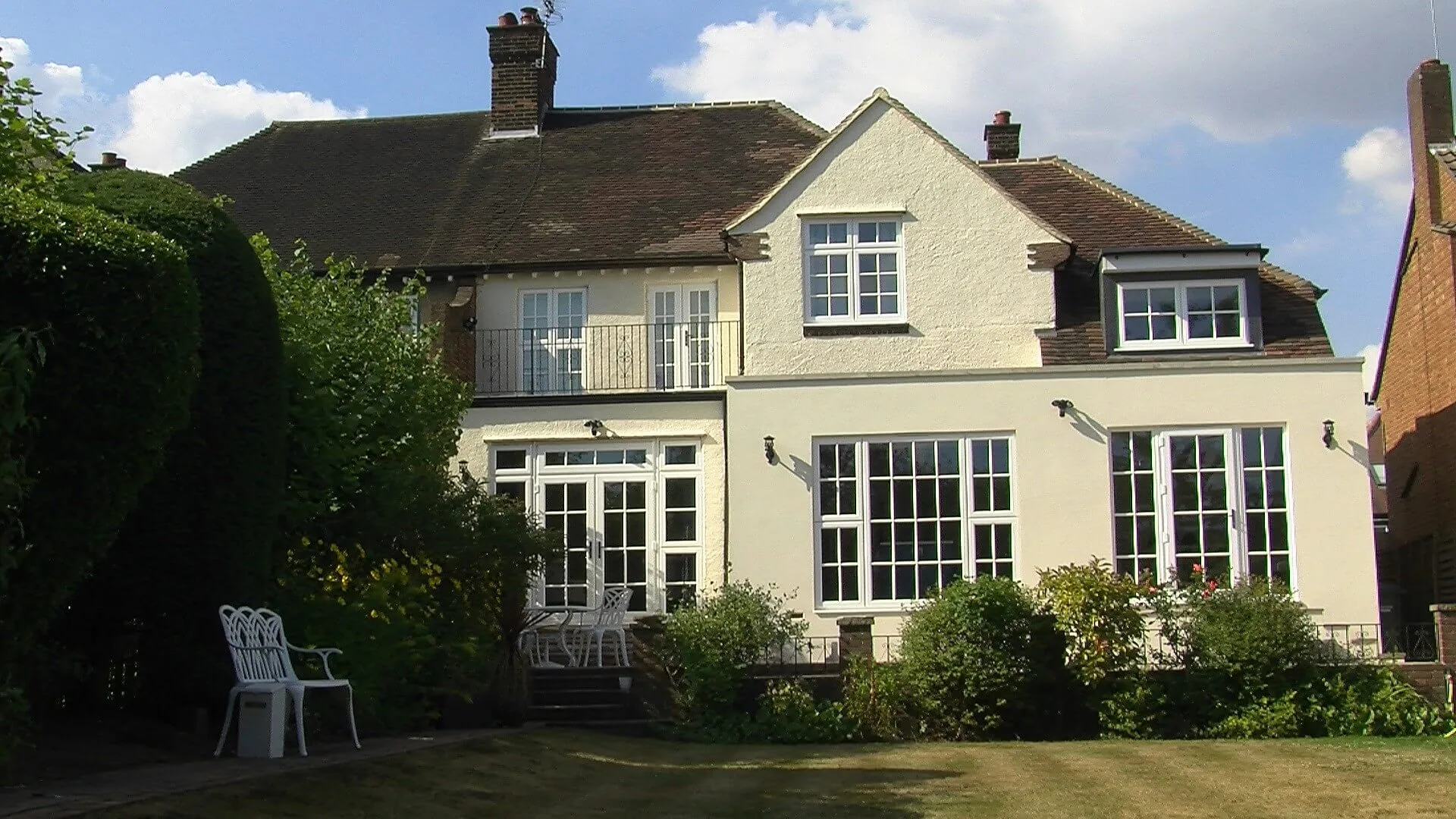
Extensions tend to have a more visible impact than renovations. From the outside, the home may look larger or more modern. Inside, the new space often becomes a focal point, particularly if it includes large glazing, higher ceilings, or a strong connection to the garden.
Renovations can be highly impactful in detail, but their effects are sometimes subtle. New cabinetry, flooring, or lighting may be noticed primarily by the occupants rather than visitors. Extensions, on the other hand, are immediately apparent to anyone entering the home.
This visibility contributes to the perception of value. When an improvement is easy to see and feel, it is often judged as more significant.
Better Natural Light Transforms the Feel of a Home
Many extensions are designed to bring in more natural light, particularly rear and side extensions. Skylights, roof lanterns, and large glazed doors can dramatically change how light moves through the home.
Light has a powerful influence on how space is perceived. Brighter spaces feel larger, more open, and more uplifting. Even if a renovation improves lighting through new fixtures or finishes, it rarely matches the effect of introducing new sources of daylight.
The emotional response to improved natural light plays a major role in why extensions feel more transformative. Homes feel more connected to the outdoors, more comfortable throughout the day, and more aligned with modern living preferences.
Extensions Create Clearer Zones Within the Home
Older homes often suffer from unclear or inefficient layouts. Rooms may be multi purpose in ways that no longer suit modern lifestyles. Renovations can help improve this, but they are often constrained by existing walls and structural limitations.
Extensions allow for clearer planning. Living, dining, working, and sleeping areas can be separated more effectively. Noise can be managed better. Privacy improves. Storage can be designed into the layout rather than retrofitted.
This clarity makes homes easier to live in. When spaces have defined purposes, daily life feels smoother and less cluttered, contributing to the sense that the upgrade has been substantial.
Perceived Value Versus Actual Spend
Even when costs are similar, the perceived value of an extension is often higher. Homeowners tend to associate floor area with value, both emotionally and financially. Adding space feels like a tangible return on investment.
Renovations can certainly add value, but the link is less obvious. Spending a large sum on finishes and fittings may not feel as concrete as gaining an extra room or increasing the size of the main living area.
This perception influences satisfaction. When homeowners feel they have gained something measurable, they are more likely to feel the money was well spent.
Long Term Flexibility Adds to the Sense of Upgrade
Extensions often provide flexibility that renovations cannot. A new room can change purpose over time, adapting to growing families, remote work, or changing lifestyles.
A renovated kitchen will always be a kitchen. A new room created through an extension might start as a playroom, become a home office, and later serve as a guest space or hobby room. This adaptability enhances the sense that the extension is a lasting improvement rather than a fixed upgrade.
The knowledge that the space can evolve adds to the feeling that the investment was worthwhile and future focused.
Extensions Often Align Better With Lifestyle Changes
Many homeowners choose to extend in response to life changes rather than purely aesthetic concerns. Growing families, working from home, or multigenerational living needs often drive the decision.
When an extension directly supports these changes, it feels deeply relevant. The home becomes more aligned with how people actually live, not just how they want it to look. This alignment creates a stronger emotional response than cosmetic improvements alone.
Renovations can improve comfort and appearance, but they may not address underlying lifestyle pressures in the same way.
The Sense of Scale Feels Different
Extensions often introduce changes in scale that renovations rarely achieve. Higher ceilings, wider openings, and longer sightlines can dramatically alter how a home feels.
These changes affect perception at a subconscious level. Larger volumes of space tend to feel more luxurious and more comfortable, even if the finishes are relatively simple. Renovations may improve quality, but they usually operate within existing proportions.
When scale changes, the home feels fundamentally different, reinforcing the idea of a major upgrade.
Final thoughts
Extensions often feel like a bigger upgrade than renovations of the same cost because they change the experience of living in a home, not just its appearance. By adding new space, improving light, altering layouts, and supporting lifestyle changes, extensions deliver a sense of transformation that is hard to match through renovation alone.
Renovations play an important role in maintaining and improving homes, particularly when space is sufficient and functionality needs refining. However, when homeowners are seeking a noticeable shift in how their home feels and functions, extensions tend to deliver a stronger sense of progress and value.
Frequently asked questions
Is an extension always better value than a renovation?
Not necessarily. Value depends on the specific goals of the homeowner, the condition of the property, and budget constraints. Extensions often feel more transformative, but renovations can be the right choice when space is adequate and functionality is the main issue.
Why do extensions feel more noticeable than interior upgrades?
Extensions introduce new space, light, and layout changes that are immediately felt. Interior upgrades improve existing areas but may not change how the home functions or feels at a fundamental level.
Can a renovation ever feel as impactful as an extension?
In some cases, yes. Major structural renovations that completely reconfigure layouts can feel highly transformative. However, they are often complex and costly, sometimes approaching the scope of an extension.
Do extensions always add more long term satisfaction?
Extensions often provide lasting satisfaction because they change how people live in their homes. That said, satisfaction depends on good design, build quality, and how well the extension meets actual needs.
Are extensions more disruptive than renovations?
Extensions can be disruptive, but the disruption is often more contained, especially if work is focused on the exterior initially. Renovations inside the home can sometimes feel more intrusive on daily life.
Should budget alone decide between a renovation and an extension?
Budget is important, but it should not be the only factor. How the home needs to change, both now and in the future, should guide the decision.
Want a range for your own project?
Project cost calculatorAbout this guide. Written by the Milkov & Son Construction team and reviewed by Stoyan Milkov, Director & Project Manager. Cost figures are North London market guides for the year stated and not quotations; planning and Building Regulations summaries are general and should be confirmed for your property. About the company.


