
Why Loft Conversion Bathrooms Require Careful Planning
Loft conversions have become one of the most popular ways to add valuable living space to a home, particularly in urban areas where extending outward is

Loft conversions have become one of the most popular ways to add valuable living space to a home, particularly in urban areas where extending outward is often not possible. Turning unused loft space into a bedroom, office, or guest suite can significantly increase both functionality and property value. In many cases, homeowners choose to include a bathroom within the loft conversion to create a fully self contained space.
However, designing a bathroom in a loft conversion is not as straightforward as installing one in a standard floor layout. The sloping roof, structural limitations, plumbing challenges, and ventilation requirements mean that careful planning is essential. A poorly designed loft bathroom can lead to long term issues such as poor drainage, dampness, lack of headroom, or awkward layouts that are difficult to use.
For homeowners planning renovations and for builders designing loft conversions, understanding the complexities involved in loft bathroom design is crucial. Every element, from pipe routes to lighting placement, must be carefully considered before construction begins.
Structural Limitations of Loft Spaces
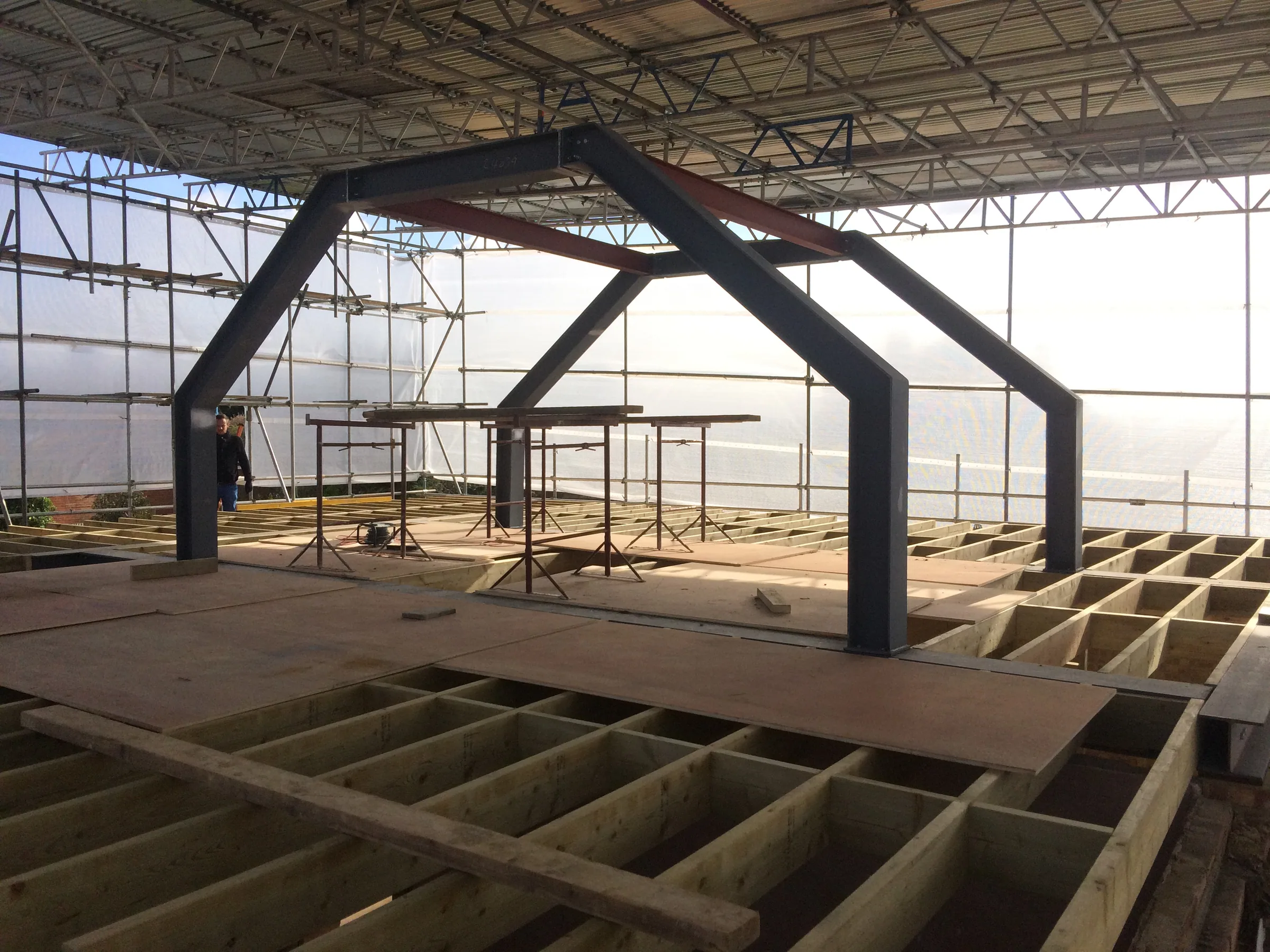
One of the first considerations when adding a bathroom to a loft conversion is the structure of the property. Loft spaces were not originally designed to carry the weight of bathrooms, which include heavy fixtures such as baths, toilets, tiles, and water filled pipe systems.
Builders must assess whether the existing floor joists can support the additional load. In most loft conversions, new structural joists are installed to strengthen the floor. This reinforcement ensures the floor can safely support:
- Baths filled with water
- Heavy stone or porcelain tiles
- Vanity units and cabinetry
- Plumbing systems
Structural engineers often need to calculate load bearing requirements before work begins. Without this step, homeowners risk structural movement or damage in the future.
Careful structural planning also determines where large fixtures such as baths can safely be positioned.
Head Height and Roof Slopes
Loft conversions typically involve sloping ceilings created by the roof structure. While these slopes create a unique character within the space, they also limit where fixtures can be installed.
Bathrooms require adequate standing space, particularly around:
- Showers
- Toilets
- Sinks
- Entry points
For example, a shower enclosure requires enough head height for comfortable use. Installing a shower beneath a steep roof slope can result in a cramped and impractical layout.
Designers usually place taller fixtures under the highest point of the roof, often near the ridge line. Lower height areas can then be used for:
- Built in storage
- Bathtubs
- Toilet positioning
- Vanity units
Careful measurement during the design phase ensures that the space remains comfortable and compliant with building regulations.
Plumbing and Drainage Challenges
Plumbing is one of the most complex aspects of installing a loft conversion bathroom. Since lofts sit above existing living spaces, new pipework must be routed through floors and walls to connect with the main plumbing system.
Key challenges include:
- Running water supply pipes upward
- Ensuring proper drainage slopes
- Connecting waste pipes to soil stacks
- Avoiding disruption to existing rooms below
Drainage requires particular attention. Wastewater must flow downward through pipes at the correct angle to prevent blockages and slow draining.
If the bathroom is located far from the existing soil stack, additional solutions may be required, such as:
- Installing a new soil stack
- Using macerator systems
- Re routing pipework through internal walls
Proper planning ensures efficient drainage and prevents future plumbing problems.
Ventilation and Moisture Control
Bathrooms generate significant humidity from showers and baths. Without proper ventilation, this moisture can quickly lead to condensation, mould growth, and long term structural damage.
Ventilation becomes even more important in loft conversions because warm air naturally rises through the house and accumulates in upper levels.
A well designed loft bathroom should include:
- Mechanical extractor fans
- Roof vents or ducting systems
- Windows where possible
Extractor fans should be powerful enough to remove moisture efficiently and must vent outside the property rather than into the loft cavity.
Inadequate ventilation can lead to issues such as damp insulation, rotting timber, and mould formation around skylights or roof timbers.
Waterproofing and Leak Prevention
Bathrooms in loft spaces sit directly above bedrooms, living rooms, or kitchens. This means any leak can cause damage to multiple floors within the home.
For this reason, waterproofing must be carefully planned during construction.
Important protective measures include:
- Properly sealed shower trays
- Waterproof tanking systems behind tiles
- High quality plumbing connections
- Leak resistant fittings
Builders often install waterproof membranes behind shower walls and floors to prevent water from penetrating structural materials.
Investing in proper waterproofing during construction can prevent expensive repairs later.
Smart Layout Design
Space efficiency is essential in loft bathrooms because loft areas are typically smaller and more irregularly shaped than standard rooms.
Good layout design focuses on making the best use of available head height and floor space. A well planned loft bathroom should prioritise usability while avoiding cramped or awkward arrangements.
Common layout strategies include:
- Positioning showers under the highest ceiling point
- Installing baths beneath sloping ceilings
- Using wall mounted toilets and sinks to maximise floor space
- Incorporating recessed storage within eaves
Careful layout planning helps transform a challenging space into a comfortable and practical bathroom.
Lighting Design in Loft Bathrooms
Lighting plays an important role in loft conversion bathrooms. Loft spaces can sometimes feel darker due to roof angles and smaller window areas.
Strategic lighting improves both functionality and comfort.
Popular lighting options include:
- Recessed ceiling lights
- LED mirrors
- Wall mounted lights near vanity areas
- Skylights or roof windows for natural light
Natural light from roof windows can dramatically improve the atmosphere of a loft bathroom, making it feel larger and more inviting.
When installing lighting in bathrooms, electricians must also follow safety regulations for wet areas.
Heating Considerations
Loft spaces often experience greater temperature variation than other parts of the home. During winter they may feel colder, while summer heat can accumulate beneath the roof.
Proper heating design ensures the bathroom remains comfortable throughout the year.
Common heating options include:
- Heated towel rails
- Underfloor heating
- Radiators designed for compact spaces
Underfloor heating is particularly effective in loft bathrooms because it distributes heat evenly and frees up wall space.
Good insulation within the roof structure also helps maintain stable temperatures.
Storage Solutions in Limited Space
Storage is often overlooked when designing loft bathrooms, yet it is essential for maintaining a tidy and functional space.
Because lofts have angled walls and limited floor area, traditional cabinets may not fit easily.
Creative storage solutions include:
- Built in shelving within eaves
- Recessed wall niches
- Floating vanity units
- Hidden storage behind mirrors
Using unused roof spaces for storage allows homeowners to keep toiletries and towels organised without crowding the room.
Building Regulations and Compliance
Loft conversion bathrooms must comply with several building regulations covering:
- Structural safety
- Ventilation
- Electrical safety
- Plumbing installation
- Fire protection
For example, electrical fixtures must meet strict safety standards due to the presence of water. Drainage systems must also meet minimum requirements for pipe diameter and gradient.
Professional builders and architects ensure that all work meets these regulations before the project is completed.
Failing to meet building regulations can lead to costly modifications and difficulties when selling the property later.
Long Term Property Value
Adding a bathroom to a loft conversion can significantly increase the value of a home. Many buyers view an additional bedroom with an en suite bathroom as a major advantage.
However, poorly designed loft bathrooms can have the opposite effect. Problems such as poor ventilation, awkward layouts, or plumbing noise may deter potential buyers.
Careful planning ensures the bathroom enhances the overall quality and appeal of the loft conversion.
When designed correctly, loft bathrooms provide:
- Increased property value
- Improved functionality
- Better use of available space
- Greater comfort for occupants
Final thoughts
Loft conversion bathrooms offer a practical way to enhance newly created loft living spaces. They provide convenience, privacy, and greater functionality for bedrooms, guest suites, or home offices.
However, installing a bathroom in a loft requires far more planning than many homeowners initially expect. Structural considerations, plumbing systems, ventilation requirements, and layout design must all be carefully addressed before construction begins.
Professional planning ensures that the bathroom fits comfortably within the loft space while meeting building regulations and long term performance requirements.
When designed properly, a loft conversion bathroom can transform unused loft space into one of the most valuable and comfortable areas of the home. Careful planning at the early stages of the project ensures the final result is both practical and durable for many years to come.
Frequently asked questions
Can any loft conversion include a bathroom?
Most loft conversions can accommodate a bathroom, but it depends on available space, head height, and plumbing access. Structural assessments and layout planning are required before installation.
Where is the best place to position a loft bathroom?
Bathrooms are typically positioned near existing plumbing systems or soil stacks to simplify drainage connections. This reduces installation complexity and costs.
Do loft bathrooms require special ventilation?
Yes. Because warm air rises and moisture accumulates in upper levels, loft bathrooms require effective mechanical ventilation to prevent condensation and mould.
Can a bath be installed in a loft conversion?
Yes, but weight and structural capacity must be assessed first. In many cases reinforced floor joists are installed to support the additional load.
Are showers better than baths in loft bathrooms?
Showers are often easier to install because they require less floor space and water capacity. However, baths can still work well when placed beneath sloping ceilings.
Does adding a loft bathroom increase property value?
In most cases, yes. A loft bedroom with an en suite bathroom is highly desirable for buyers and can increase overall property value.
About this guide. Written by the Milkov & Son Construction team and reviewed by Stoyan Milkov, Director & Project Manager. Cost figures are North London market guides for the year stated and not quotations; planning and Building Regulations summaries are general and should be confirmed for your property. About the company.


