
Why Many North London Homes Feel Too Small and How Extensions Fix the Real Problem
Many North London homes share a similar story. Well built, full of character, and located in highly desirable neighbourhoods, yet they often feel cramped,

Many North London homes share a similar story. Well built, full of character, and located in highly desirable neighbourhoods, yet they often feel cramped, awkwardly laid out, or unable to support modern living. From Victorian and Edwardian terraces to 1930s semis and post war builds, many properties were never designed for today’s lifestyles, larger families, hybrid working patterns, or the need for multifunctional rooms.
This is not simply an issue of floor area. It is often about how well the space works, how rooms flow, how families use each area during a typical day, and how storage or flexibility is handled. Many homes across Barnet, Enfield, Haringey, Islington, Camden and surrounding areas feel smaller than they actually are because the layouts prioritise outdated patterns of living.
Extensions, whether rear, wraparound, side return, loft or double storey, offer one of the most effective ways to solve these problems. They do not just add space. They address the structural and practical reasons a home feels tight in the first place. When designed thoughtfully, an extension can transform the way a house functions, making it feel bigger, more intuitive, more comfortable and far more aligned with the way people actually live.
1. Older layouts do not reflect modern living
Victorian and Edwardian properties dominate many parts of North London. These homes were built for lifestyles that revolved around smaller families, formal dining rooms, closed off kitchens, and clear separation between living and service spaces. For today’s households, these layouts can feel restrictive.
Common issues include:
- Narrow kitchens lacking room for cooking, dining and socialising
- Long dark hallways that steal valuable space
- Small rear rooms that do not suit open plan living
- Front rooms that become underused because the family naturally gathers near the kitchen
A rear or wraparound extension helps merge spaces and create the large open kitchen living dining area that many households prefer. By rethinking the layout rather than simply adding space, families get a home that naturally supports their routines.
2. Small or disconnected rooms reduce usable space
Many homes technically have enough floor area, yet they feel cramped because the space is divided into too many smaller zones.
Typical problems include:
- Boxy dining rooms that cannot accommodate modern furniture
- Kitchens separated from the garden
- Unusable spaces due to poor proportions
- Rooms that serve only one purpose
A well designed extension solves this by creating multifunctional flexible areas. For example, extending into the side return can widen a kitchen and allow for integrated dining, lounging or homework spaces. This improves flow and consolidates previously fragmented rooms into one practical environment.
3. Lack of natural light makes rooms feel even smaller
North London homes often struggle with lighting because of narrow plots, close neighbours and original layouts that restrict light. Dark spaces feel tighter regardless of actual size.
Contributing factors include:
- Small rear windows
- Narrow hallways and landings
- Middle rooms with no direct external wall
- North facing gardens
- Extensions added decades ago without modern glazing
Modern extensions fix this problem through features such as:
- Full width sliding or bifold doors
- Roof lanterns
- Skylights along side returns
- Open plan layouts that pull light through the house
- Glazing placed strategically to suit the sun’s path
Increasing natural light helps the entire house feel brighter, taller, wider and more welcoming.
4. Storage is often inadequate or poorly designed
Storage is one of the biggest reasons homes feel smaller than they are. Many older properties were built before people accumulated the amount of possessions, equipment and furniture common today.
A lack of storage leads to:
- Cluttered surfaces
- Overfilled cupboards
- Rooms taken over by belongings
- Lower perceived space
Extensions often provide an opportunity to:
- Add utility rooms
- Create walk in storage areas
- Integrate built in cabinetry
- Expand kitchens to accommodate modern appliances
- Introduce pantries or larders
- Reconfigure the entire layout to gain hidden storage
When everything has a place, rooms suddenly feel larger, calmer and more organised.
5. Many families outgrow their homes faster than expected
Growing families, new work arrangements and lifestyle changes can quickly make a once comfortable home feel inadequate.
Examples include:
- Children moving from sharing a bedroom to needing separate rooms
- Younger children needing play or homework spaces
- Adults working from home several days a week
- Multi generational households combining under one roof
- Needing space for fitness, hobbies or relaxation
Extensions create room for these evolving needs by adding:
- Larger kitchens
- Additional bedrooms
- Home offices
- Playrooms
- Garden rooms
- New utility areas
- Ensuite bathrooms
- Larger living spaces
This allows people to stay in their neighbourhood without compromising their quality of life.
6. Loft space is often underused
Many North London homes have generous lofts that are either unused or used only for poor storage. This is wasted potential in areas where space is valuable and house prices are high.
A loft extension offers:
- A new bedroom
- A dedicated office
- A guest suite
- Additional bathrooms
- Quiet areas separate from busy ground floor living
In many cases, the loft is the simplest and most cost effective way to increase space without altering the footprint of the house. A good design can also improve insulation, ventilation and roof structure.
7. Kitchens are too small for modern living patterns
The kitchen is now the heart of most homes, but original kitchens in older North London properties were small, narrow and functional rather than social spaces. Many homeowners want:
- Open plan layouts
- Islands or breakfast bars
- Dining and living spaces in one area
- Space for multiple people to cook
- Plenty of worktops
- Modern storage solutions
Rear or wraparound extensions transform the kitchen from a tight workspace into a spacious hub for hosting, relaxing, dining and connecting with the family.
8. Gardens are underused because access is poor
Even properties with good outdoor space often struggle to enjoy it because of:
- Small back doors
- Narrow access points
- Poor visibility from inside
- Disconnected indoor and outdoor zones
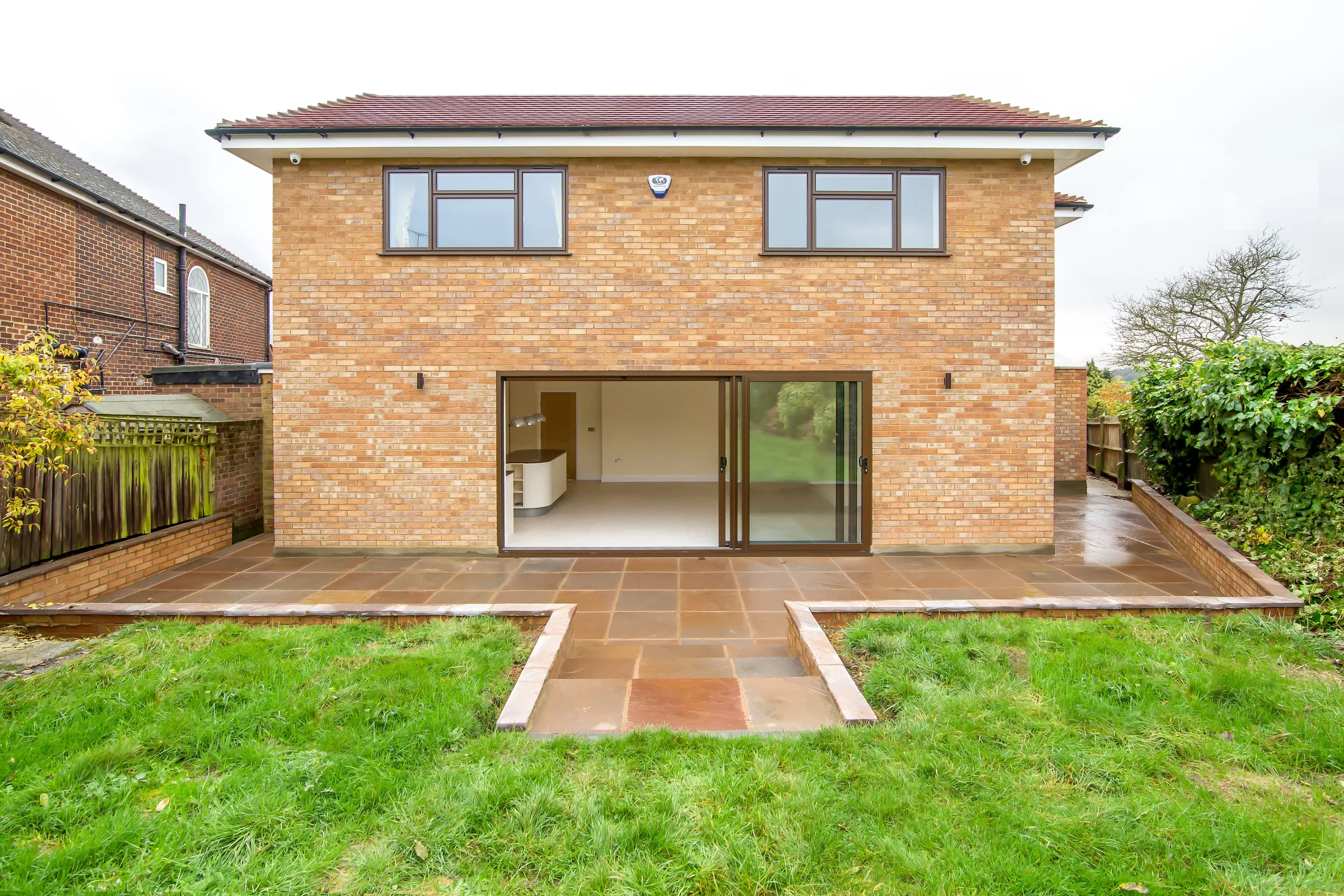
A rear extension with wide glazing improves access dramatically. When the garden feels like an extension of the house, living areas feel larger, brighter and more useful. Families often report that the new design encourages more outdoor dining, socialising and play.
9. Extensions improve the flow of the entire home
Flow describes how comfortably you can move between spaces and how naturally each room connects with the next. Poor flow is a major reason homes feel small or uncomfortable.
Issues include:
- Having to pass through one room to reach another
- Sharp corners and narrow doorways
- Rooms positioned in a way that breaks the home’s rhythm
- Stairs, hallways and circulation space taking up too much or too little room
Extensions help by reorganising circulation paths, widening routes, improving sight lines and balancing proportions throughout the property.
10. An extension future proofs the property
A home may feel small today, but the issue often grows over time. Rising property prices in North London mean many families stay in the same home longer instead of moving regularly. A well designed extension ensures the home can support long term plans such as:
- A growing family
- Working from home permanently
- Caring for elderly relatives
- Rental opportunities like guest rooms
- Increasing property value for future sales
By addressing the root causes of space and layout limitations, an extension becomes an investment that pays off both immediately and long term.
Final thoughts
Many North London homes feel too small not because of their actual floor area but because their original layouts do not align with modern lifestyles. Narrow kitchens, poor lighting, disconnected rooms, insufficient storage and outdated configurations all contribute to the sense of limited space.
Extensions, whether rear, side return, wraparound, loft or double storey, solve these problems by improving flow, expanding key living areas, increasing natural light and creating rooms that better serve the people who live there. Instead of working around the limitations of an old design, homeowners can build spaces that feel natural, spacious and tailored to their daily routines.
For families and homeowners across North London, an extension is not simply about gaining extra square metres. It is about transforming the entire living experience. With thoughtful planning, expert design and quality construction, you can turn a home that feels cramped into one that feels balanced, comfortable and ready for the future.
Frequently asked questions
How do I know if my North London home really needs an extension?
If you frequently feel cramped, lack storage, struggle with poor layout flow, or find rooms impractical for modern use, an extension is often the most effective solution. A design consultation can help determine whether reconfiguration alone is enough or if more space is genuinely needed.
Will an extension increase the value of my property?
In most North London neighbourhoods, a well designed extension significantly raises resale value. Large kitchens, additional bedrooms, improved light and better flow all appeal strongly to buyers.
What type of extension is most popular in North London?
Rear and wraparound extensions are especially common because they create expansive open plan living spaces. Loft conversions are also extremely popular due to the generous roof space found in many period homes.
Are extensions disruptive to daily life?
There is some disruption, but a good design and build team will manage the project to minimise inconvenience. Many homeowners stay in the property during construction, while others choose to relocate temporarily depending on the extent of the work.
Can I improve space without changing the footprint of my home?
Yes. In some cases, reconfiguration alone can dramatically improve the layout. However, many older North London homes have structural limitations, so combining reconfiguration with a modest extension often produces the best results.
Do I need planning permission for an extension?
It depends on the type, size and location of the extension. Some fall under permitted development, while others require full planning permission. A design and build team can assess your property and manage the planning process on your behalf.
About this guide. Written by the Milkov & Son Construction team and reviewed by Stoyan Milkov, Director & Project Manager. Cost figures are North London market guides for the year stated and not quotations; planning and Building Regulations summaries are general and should be confirmed for your property. About the company.


