
Why Rooflines Shape the Appearance of Home Extensions
When homeowners begin planning a home extension, their attention often turns to floor space, layouts, and interior design. While these aspects are important,

When homeowners begin planning a home extension, their attention often turns to floor space, layouts, and interior design. While these aspects are important, one of the most visually influential elements of any extension is frequently underestimated: the roofline. The roofline defines how an extension integrates with the original structure, affects the overall proportions of the property, and plays a major role in how the finished project is perceived from both inside and outside.
Architects and experienced builders understand that roof design is not simply a structural necessity. The roofline shapes the identity of the extension. A well considered roofline can make a new addition appear seamless and natural, while a poorly designed one can leave the extension looking awkward or disconnected from the rest of the home.
In residential construction and renovation projects across the UK, rooflines frequently determine whether an extension enhances the property or feels like an afterthought. The angle, height, direction, and form of the roof influence light levels, external appearance, planning approval, and the relationship between old and new architecture.
The Roofline Defines the Overall Silhouette of a Home
From the street, the roofline is one of the most recognisable features of a property. While walls and windows contribute to the building’s character, the roof creates the silhouette that people perceive first.
When a new extension is added, its roofline immediately influences the visual balance of the entire property. If the new roof clashes with the original structure, the extension can feel visually detached. In contrast, when the roofline is carefully aligned with the existing design, the addition appears integrated and intentional.
For example, a traditional pitched roof extension attached to a Victorian home can maintain the architectural language of the original structure. A flat roof, on the other hand, may introduce a contemporary contrast. Both approaches can work, but the choice must be deliberate and thoughtfully proportioned.
The roofline ultimately determines how cohesive the building looks as a whole.
Rooflines Influence Proportion and Scale
One of the most common design mistakes in extensions involves poor proportion. An extension that is structurally sound may still look visually unbalanced if its roofline sits too high, too low, or at an incompatible angle.
Roof height is particularly important. If an extension roof rises too steeply, it may overpower the existing building. If it sits too low, it can look compressed and disconnected from the main house.
Architects often study the following elements to maintain balance:
• Ridge height relative to the original roof
• Pitch angle consistency
• Eaves alignment
• Relationship between roof volume and wall height
By controlling these elements, designers ensure that the extension complements the scale of the property rather than competing with it.
Rooflines Connect the Old Structure With the New
One of the greatest challenges in home renovation is blending new construction with an existing building. Rooflines play a crucial role in this process.
When builders extend a property, they must decide how the new roof will interact with the original structure. There are several possible approaches:
• Continuing the existing roof pitch
• Intersecting the original roof with a new gable
• Adding a contrasting flat roof extension
• Introducing a stepped roofline to transition between heights
Each option affects how seamlessly the extension connects with the house.
In many successful renovation projects, the roofline acts as a visual bridge between the two structures. Even when materials differ, a well aligned roofline can tie everything together.
Planning Regulations Often Influence Roofline Design
In the UK, planning regulations frequently affect roof design. Many extensions fall under permitted development rules, but roof height and form often determine whether planning approval is required.
Local authorities typically assess the following aspects:
• Maximum ridge height
• Impact on neighbouring properties
• Overlooking or overshadowing concerns
• Overall visual impact on the street
As a result, architects sometimes modify rooflines to remain within planning limits. For instance, a pitched roof may need to be replaced with a lower mono pitch design to stay within height restrictions.
These adjustments are not purely regulatory. Skilled designers use them as opportunities to create distinctive and attractive architectural forms.
Rooflines Affect Natural Light and Interior Space
The shape of a roof has a direct influence on how light enters the extension and how usable the interior space becomes.
Different roof types create different lighting opportunities:
Flat roofs often allow large roof lanterns or skylights, bringing natural light deep into the extension.
Pitched roofs can incorporate roof windows that introduce directional daylight.
Vaulted ceilings created by sloped rooflines can make interiors feel spacious and open.
In kitchen extensions and open plan living areas, these effects are especially important. A carefully designed roofline can transform a simple extension into a bright and inviting living space.
Rooflines Contribute to Architectural Style
Roof design is closely linked to architectural identity. The form of the roof can emphasise either traditional character or contemporary style.
Common examples include:
Traditional pitched roofs
These maintain the character of older properties such as Victorian, Edwardian, or Georgian homes.
Gable roof extensions
These add architectural interest and echo classic British housing forms.
Flat roof extensions
Often associated with modern architecture, flat roofs create clean lines and allow large glazing elements.
Mono pitch roofs
These provide a contemporary yet practical solution for many rear extensions.
Selecting the right roofline helps maintain the design language of the home while allowing room for modern upgrades.
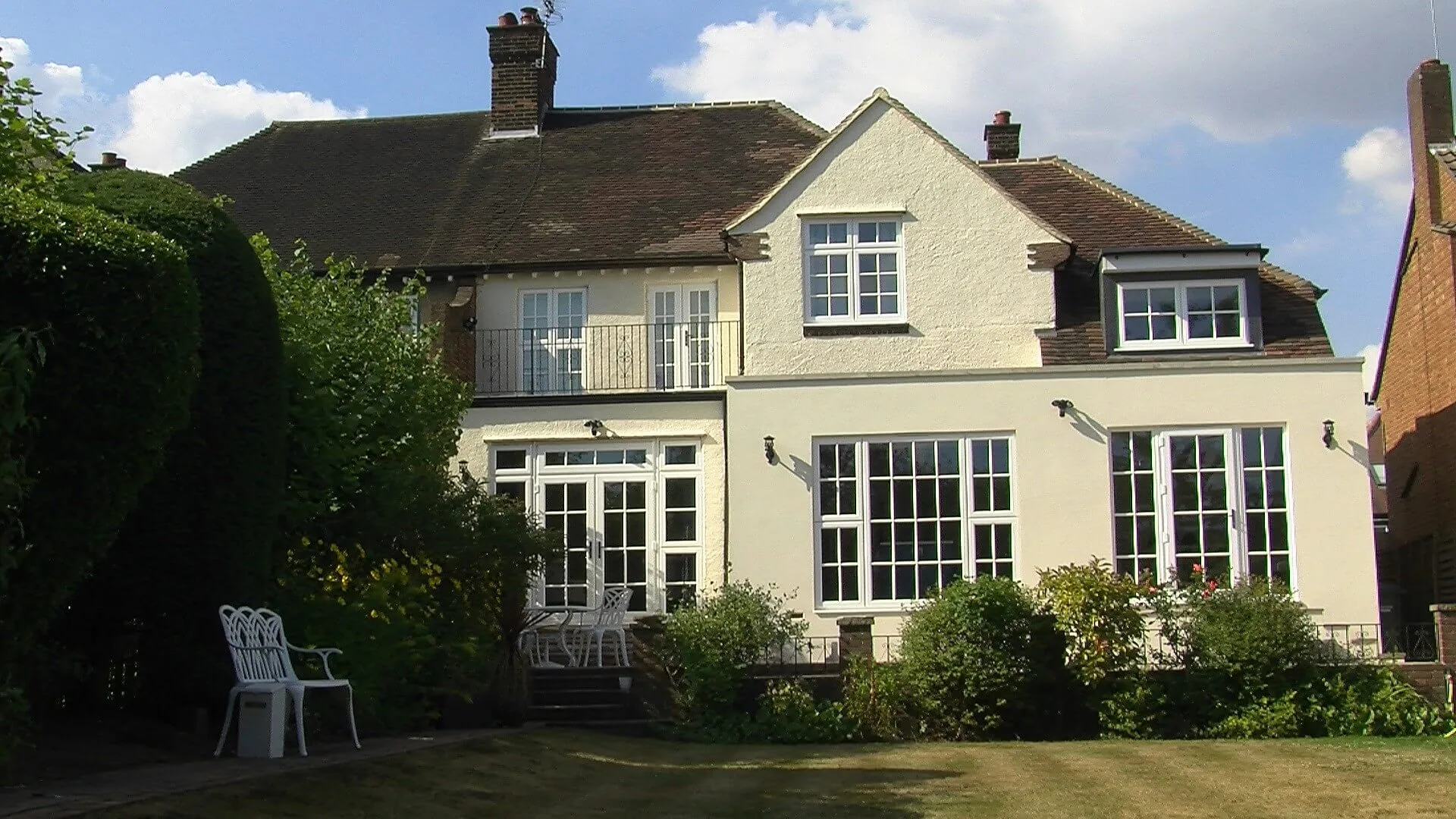
Rooflines Influence How Extensions Age Over Time
Good design considers not only how a building looks today but also how it will appear in the future.
A poorly integrated roofline can make an extension appear temporary or dated. Over time, these visual inconsistencies become more noticeable as materials weather and architectural trends evolve.
By contrast, a well designed roofline ensures that the extension continues to feel like a natural part of the home even decades later.
Builders who specialise in renovation often emphasise roofline design because it contributes to long term visual harmony.
Rooflines Impact Structural Engineering Decisions
Although rooflines strongly influence appearance, they also carry structural implications. Different roof forms require different support systems, load distributions, and construction techniques.
For example:
• Pitched roofs distribute weight differently than flat roofs
• Large spans may require steel beams
• Roof angles affect drainage performance
• Complex intersections require precise structural detailing
These structural considerations influence the final design. Architects must balance aesthetics with engineering requirements to ensure that the extension performs well structurally while still looking appealing.
Rooflines Shape Street Level Perception
When someone approaches a property, the roofline plays a major role in how the extension is perceived from the street.
In conservation areas or neighbourhoods with consistent architectural styles, rooflines are particularly important. An extension that disrupts the rhythm of surrounding homes may draw unwanted attention.
Carefully aligning roof pitch, ridge height, and orientation helps maintain harmony within the streetscape.
Even when extensions are located at the rear of the property, rooflines may still be visible from neighbouring houses or elevated viewpoints.
Final thoughts
Rooflines are one of the most influential design elements in any home extension. While interior layouts and floor space often receive the most attention during planning, the shape and structure of the roof largely determine how the finished project looks and feels.
A well designed roofline creates visual harmony between old and new construction. It establishes proportion, supports natural light, and reinforces the architectural character of the property. When handled thoughtfully, rooflines allow extensions to feel like natural evolutions of the home rather than separate additions.
For homeowners considering renovations, understanding the role of rooflines can make a significant difference in the outcome of a project. Working with experienced architects and builders who recognise the importance of roof design ensures that extensions not only add space but also enhance the overall appearance and long term value of the property.
Frequently asked questions
Why are rooflines important in home extensions?
Rooflines define the shape, proportion, and architectural character of an extension. They influence how well the new structure blends with the existing property and affect both interior space and exterior appearance.
What is the most common roof type used for home extensions?
Flat roofs and mono pitch roofs are commonly used for modern extensions, while pitched roofs are often chosen to match traditional homes.
Can changing the roofline improve natural light?
Yes. Roof design can dramatically increase daylight through skylights, roof lanterns, and angled glazing panels.
Do rooflines affect planning permission?
They often do. Local planning authorities may restrict roof height, pitch, and visual impact, which can influence extension design.
Is a flat roof extension a good idea?
Flat roof extensions can work very well, particularly for contemporary designs. They allow large roof lights and create clean architectural lines.
Should extension roofs match the original house?
Not always. Some projects intentionally contrast the original structure with modern rooflines. The key is achieving balance and thoughtful design rather than exact matching.
About this guide. Written by the Milkov & Son Construction team and reviewed by Stoyan Milkov, Director & Project Manager. Cost figures are North London market guides for the year stated and not quotations; planning and Building Regulations summaries are general and should be confirmed for your property. About the company.


