
Why Some Home Extensions Age Faster Visually Than Others
A home extension may look impressive when it is first completed, but not every extension continues to look attractive over time. Some still feel modern and

A home extension may look impressive when it is first completed, but not every extension continues to look attractive over time. Some still feel modern and well integrated after ten or fifteen years, while others begin to appear dated, worn, disconnected, or poorly finished much sooner. In many cases, the issue is not structural failure. The problem is visual ageing.
Visual ageing happens when an extension starts to lose its original appeal because materials, finishes, proportions, lighting, or design decisions no longer work together as effectively as they once did. This can happen gradually through wear and exposure, or it can happen surprisingly quickly because the original design relied too heavily on trends or overlooked practical details.
For businesses involved in natural stone, composite stone, renovations, architecture, or construction, understanding why extensions age differently is important. Homeowners increasingly want spaces that not only perform well today but also continue to look balanced and high quality years into the future. Materials such as natural stone and composite stone often play a major role in this because they influence how surfaces respond to light, traffic, moisture, cleaning, and changing interior trends.
Some extensions age beautifully because they were designed with consistency, durability, and proportion in mind. Others begin to feel visually tired because too many short term decisions were prioritised over long term appearance. The difference often comes down to details that are overlooked during the design stage.
The Difference Between Physical Ageing and Visual Ageing
Many people assume ageing only refers to physical deterioration, but visual ageing is different. An extension can remain structurally sound while still looking old, disconnected, or poorly maintained.
Visual ageing is influenced by factors such as:
Changing Design Trends
Certain colours, textures, layouts, and finishes are heavily linked to specific design periods. Extensions designed entirely around fast moving trends often feel outdated quicker than those built around more timeless principles.
Ultra glossy cabinetry, aggressively contrasting colour schemes, and overly industrial finishes are common examples. What once looked modern may later appear harsh or dated.
Uneven Material Wear
Materials rarely age at the same speed. When some surfaces fade, scratch, stain, or discolour faster than others, the extension begins to feel inconsistent.
This is especially noticeable in kitchens where worktops, flooring, cabinetry, splashbacks, and wall finishes are exposed to different levels of heat, moisture, and cleaning.
Poor Integration With the Original Property
An extension should feel connected to the rest of the house. When proportions, materials, or transitions feel forced, the extension can start to feel detached over time.
This issue becomes more obvious as the rest of the property naturally ages and settles while the extension ages differently.
Why Material Selection Plays Such a Major Role
Materials are one of the biggest factors influencing how quickly an extension ages visually.
Some materials develop character over time. Others reveal wear immediately.
Natural Stone Often Ages More Gracefully
Natural stone tends to maintain visual depth because its patterns and textures are naturally varied. Minor marks and subtle wear usually blend into the material rather than standing out sharply.
Stones such as granite and certain quartzites often retain their appearance well because they resist fading and maintain visual consistency under changing light conditions.
Honed finishes can also age more naturally than highly polished surfaces because they do not emphasise scratches, fingerprints, or glare as strongly.
Composite Stone Creates Consistency but Needs Careful Design
Composite stone offers excellent consistency and controlled appearance, which many homeowners prefer. However, extremely uniform surfaces can sometimes reveal wear more obviously.
Lighter composite surfaces may show staining around sinks and preparation zones if maintenance is neglected. Very dark polished composites can reveal dust, smears, and micro scratches under direct lighting.
This does not mean composite stone ages badly. It means the surrounding design choices must support the material properly.
Cheap Laminates and Artificial Finishes Often Age Quickly
Low quality imitation finishes usually reveal visual ageing faster because they rely on surface appearance rather than material depth.
Printed textures can wear unevenly, corners may peel, and colour fading often becomes noticeable around sunlight exposure areas. Once this happens, the extension immediately feels older.
Why Lighting Changes How Extensions Age
Lighting has a major effect on how materials appear over time.
An extension that looked warm and balanced under showroom conditions may look completely different after years of everyday use.
Natural Light Exposure Changes Surface Appearance
Large glass extensions receive significant sunlight exposure throughout the day. Over time, this can affect:
Flooring Colour
Some flooring materials fade unevenly under direct sunlight.
Cabinet Finishes
Painted cabinetry may yellow or lose depth over time.
Composite Surfaces
Certain finishes can reflect light differently as surrounding materials age.
Wall Paint
Paint may discolour gradually around windows and doors.
Natural stone generally handles sunlight exposure better than many synthetic decorative materials, which is one reason it is often associated with long term visual stability.
Artificial Lighting Can Highlight Wear
Modern extensions often rely heavily on spotlights, LED strips, and directional lighting. While dramatic lighting can initially create a luxurious appearance, it can also expose imperfections later.
Strong lighting may reveal:
Surface Scratches
Gloss finishes become more reflective and highlight wear.
Uneven Cleaning Patterns
Areas near sinks and appliances may show residue more clearly.
Inconsistent Texture
Materials with artificial patterns can appear flatter over time.
Extensions with softer layered lighting usually age visually better because they create a more forgiving atmosphere.
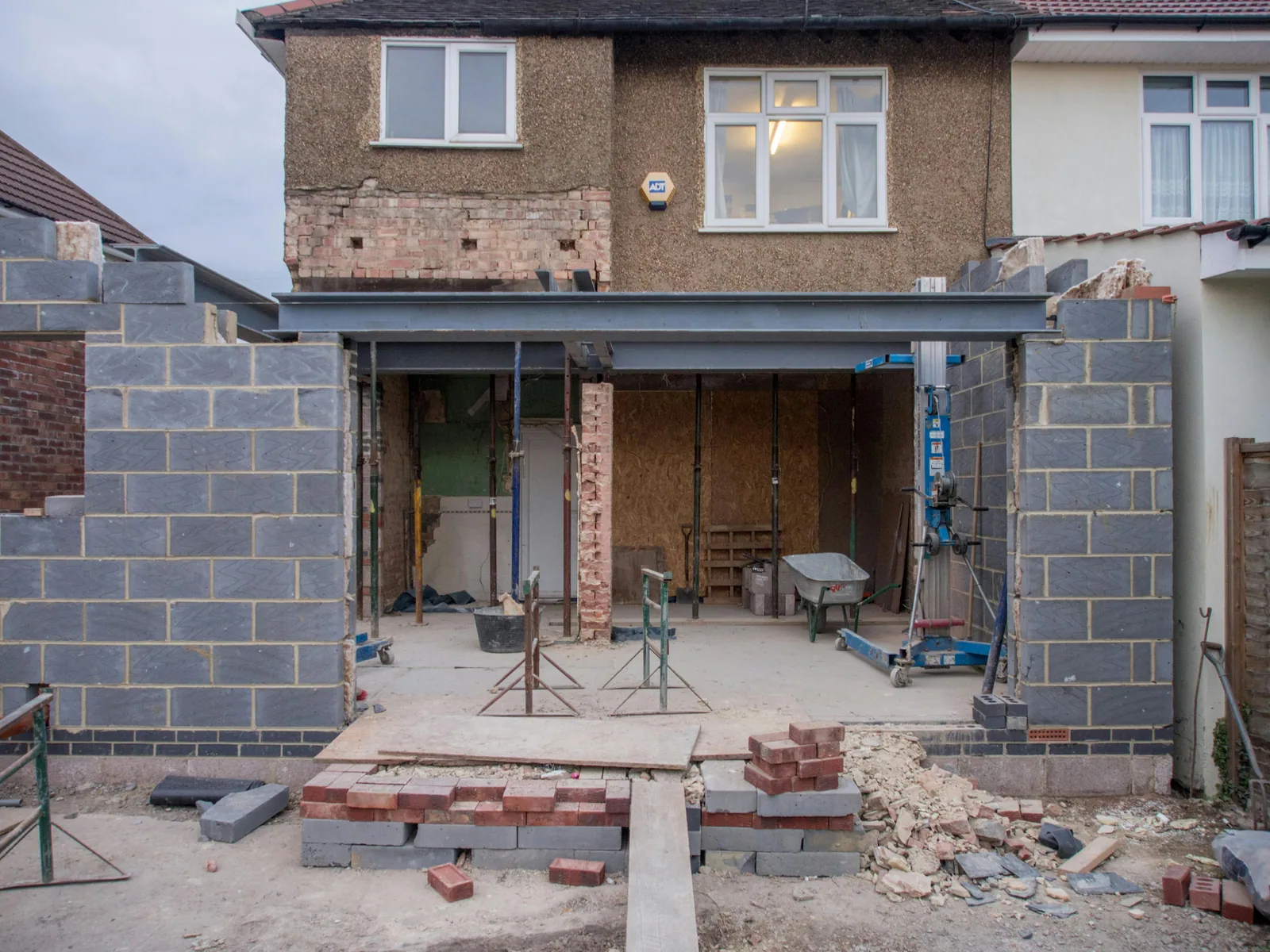
Layout Decisions Influence Long Term Appearance
A visually ageing extension is not always caused by materials alone. Layout plays a major role too.
Overcrowded Extensions Feel Dated Faster
Many homeowners try to maximise every inch of space during an extension project. However, oversized islands, excessive storage walls, or poorly planned seating areas can eventually make the room feel cramped.
As trends shift toward cleaner and more open layouts, overcrowded spaces often begin to feel visually heavy.
This is especially problematic when large stone surfaces dominate the room without enough balance from softer materials or open space.
Poor Flow Creates Long Term Frustration
An extension may look attractive in photographs while functioning poorly in daily life.
When movement through the room feels awkward, homeowners begin noticing flaws more frequently. Over time, frustration changes how people emotionally respond to the space.
Examples include:
Tight Walkways Around Islands
Poor Appliance Positioning
Insufficient Natural Ventilation
Weak Connection Between Indoor and Outdoor Areas
When functionality declines, the extension often feels visually worse too.
Inconsistent Finishes Make Extensions Feel Older
Consistency is one of the most overlooked elements in long term extension design.
An extension does not need identical materials everywhere, but finishes should feel related and intentional.
Clashing Textures Create Visual Fatigue
Combining too many textures can make a space feel chaotic over time.
For example:
High Gloss Cabinets With Rustic Stone
Industrial Concrete Flooring With Traditional Wood Details
Ultra Modern Lighting Inside Period Homes
Strongly Veined Stone Against Busy Splashbacks
Initially, these contrasts may feel bold or fashionable. Years later, they often feel disconnected.
Balanced material combinations usually age better because they create visual calm.
Mismatched Renovation Phases Become Obvious
Some homeowners extend properties in stages over many years. If materials and finishes are not carefully coordinated, the extension can begin to look fragmented.
Different flooring tones, changing stone styles, or inconsistent cabinet colours create visual separation that becomes more noticeable with time.
Why Exterior Design Matters Just as Much
Visual ageing is not limited to interiors.
The outside appearance of an extension strongly influences how modern or dated it feels.
Brick and Stone Weather Differently
Natural materials develop patina over time, but inconsistent weathering can become a problem when old and new materials age differently.
For example:
New Brick Beside Older Brickwork
Fresh brick may appear brighter and sharper for years.
Stone Cladding With Inconsistent Exposure
Areas exposed to rain and sunlight may age differently from sheltered sections.
Render Discolouration
Some render systems stain or crack more visibly over time.
Choosing materials that complement the original property rather than aggressively contrast with it often produces better long term results.
Oversized Glass Extensions Can Date Quickly
Large glass extensions became extremely popular because they created dramatic open spaces and strong garden connections.
However, some age poorly visually because:
Frames Become More Noticeable
Seal Lines and Dirt Build Up
Temperature Control Problems Affect Comfort
Minimalist Designs Lose Warmth Over Time
Without balance from stone, timber, textured finishes, or softer architectural details, all glass designs can eventually feel cold or clinical.
Why Timeless Design Usually Ages Better
Timeless design does not mean boring design. It means creating balance instead of relying heavily on trends.
Extensions that age well usually share certain qualities.
Balanced Colour Palettes
Neutral and natural tones tend to remain visually comfortable longer than highly fashionable colours.
Natural stone works particularly well here because it often contains layered tones that adapt to changing décor trends.
Practical Material Choices
Durable surfaces continue looking good because they resist visible wear.
Stone worktops, properly selected flooring, and quality cabinetry maintain appearance longer when matched correctly to the environment.
Simpler Architectural Forms
Clean proportions usually age more gracefully than highly experimental designs.
Overly complicated ceiling shapes, aggressive feature walls, or excessive decorative detailing often become visually tiring over time.
Strong Connection to the Existing Property
Extensions that respect the scale, character, and proportions of the original house generally feel more cohesive years later.
Even modern extensions benefit from some visual relationship with the existing structure.
Maintenance Habits Also Affect Visual Ageing
Even excellent materials can age poorly without maintenance.
Stone Maintenance Protects Appearance
Natural stone and composite stone both benefit from proper care.
Neglected sealing, harsh chemicals, or incorrect cleaning methods can lead to:
Dullness
Etching
Surface Staining
Loss of Colour Depth
Simple maintenance routines help preserve long term appearance significantly.
Poor Ventilation Accelerates Ageing
Moisture is one of the biggest causes of visual decline.
Insufficient ventilation can lead to:
Condensation Around Windows
Mould Growth
Peeling Paint
Surface Discolouration
Warping Materials
These issues quickly make extensions feel older regardless of the original design quality.
Extensions That Prioritise Fashion Over Longevity Often Struggle
Some extensions are designed almost entirely around current trends.
While this may create strong immediate visual impact, it often shortens the visual lifespan of the space.
Examples include:
Extremely Dark Interiors
Overuse of Black Fixtures
Strongly Patterned Surfaces
Aggressive Industrial Styling
Ultra Minimal Spaces With No Texture
As tastes evolve, these spaces can begin to feel tied to a specific design period.
Extensions designed around comfort, practicality, proportion, and natural materials usually adapt better over time.
The Psychological Side of Visual Ageing
People respond emotionally to space.
An extension may technically remain functional while still feeling older because the environment no longer creates comfort or visual harmony.
This is why visually balanced spaces often continue feeling attractive longer.
Natural textures, layered lighting, thoughtful proportions, and durable surfaces help create spaces that continue feeling pleasant rather than exhausting.
Stone often contributes positively here because it adds texture and depth that remains visually interesting over many years.
Final thoughts
Some home extensions age faster visually because too many decisions are made around short term appearance instead of long term balance. Materials, lighting, layout, ventilation, maintenance, and architectural consistency all influence how an extension looks years after completion.
The extensions that continue feeling attractive are usually the ones designed with restraint and durability in mind. They use materials that wear naturally, layouts that remain practical, and finishes that complement rather than compete with each other.
Natural stone and carefully selected composite stone often contribute positively to this because they provide texture, depth, and durability that continue performing long after trends begin to shift. When these materials are integrated thoughtfully into a well planned extension, the result is a space that not only functions well but also maintains its visual appeal for many years.
Frequently asked questions
Why do some home extensions look outdated after only a few years?
Many extensions age visually because they rely heavily on short term design trends, poor quality finishes, or inconsistent material combinations. Lighting, layout issues, and uneven wear also contribute to faster visual ageing.
Does natural stone age better than composite stone?
Both can age well when chosen correctly. Natural stone often develops character over time and hides minor wear naturally. Composite stone offers consistency and durability but may reveal scratches, glare, or staining more clearly depending on the finish and colour.
What colours help extensions age more gracefully?
Neutral and natural colours usually age better because they remain flexible as interior trends change. Warm whites, soft greys, earthy tones, and natural stone colours tend to maintain visual appeal longer.
Why do glossy finishes sometimes make extensions feel older?
Glossy surfaces reflect scratches, fingerprints, dust, and uneven lighting more visibly. Over time, this can make spaces feel worn or overly harsh compared to softer matte or honed finishes.
Can lighting really affect how old an extension looks?
Yes. Poor lighting can exaggerate imperfections, flatten textures, and create uncomfortable glare. Balanced natural and artificial lighting helps materials maintain depth and warmth over time.
How can homeowners make extensions look newer for longer?
Choosing durable materials, maintaining consistent finishes, avoiding overly trend driven designs, improving ventilation, and using timeless layouts all help extensions retain visual quality for longer periods.
About this guide. Written by the Milkov & Son Construction team and reviewed by Stoyan Milkov, Director & Project Manager. Cost figures are North London market guides for the year stated and not quotations; planning and Building Regulations summaries are general and should be confirmed for your property. About the company.


