January 23, 2026
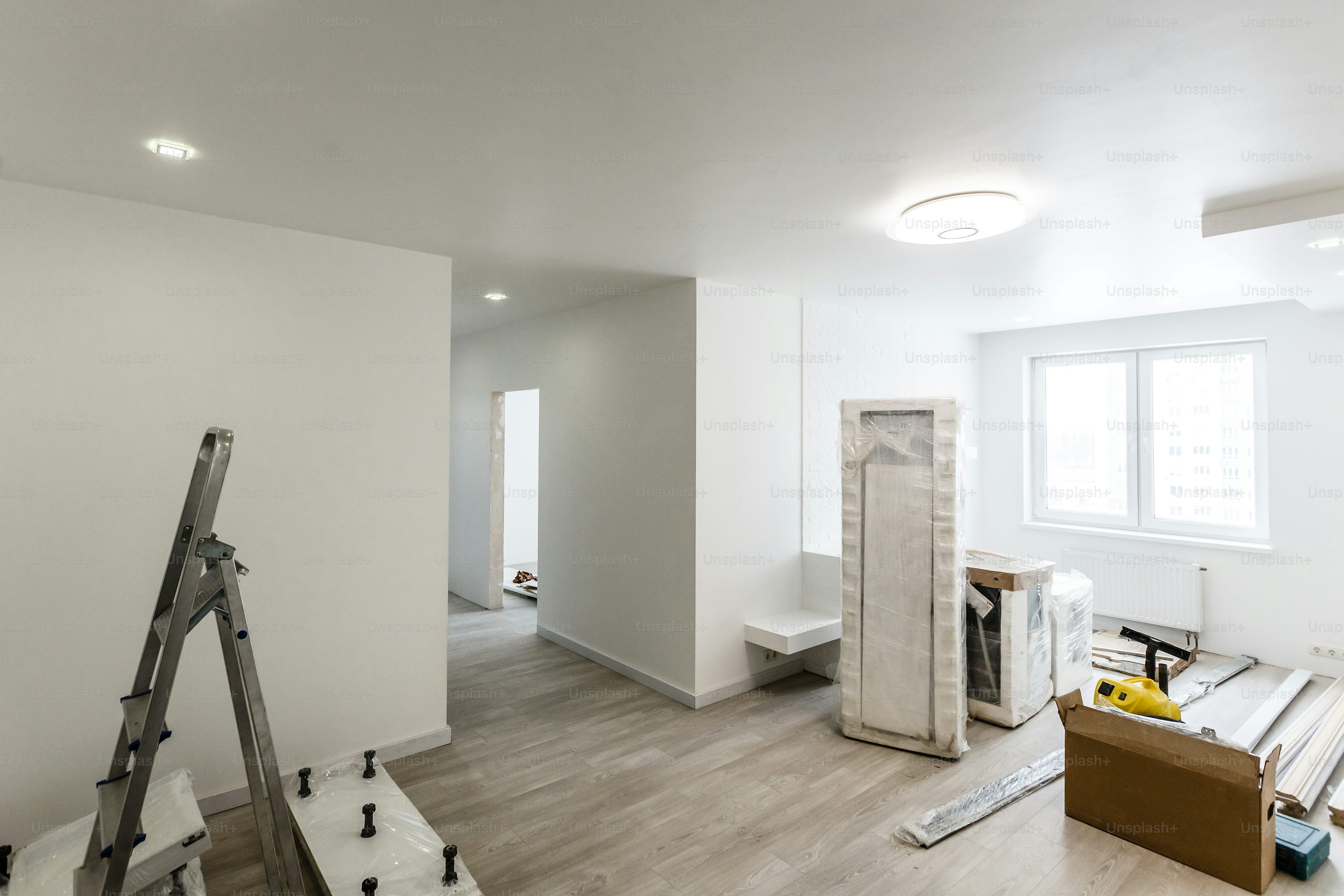
Refurbishing a home is rarely a small decision. Whether driven by changing family needs, business requirements, budget constraints, or long-term investment goals, refurbishment projects involve careful planning, disruption, and cost. Many homeowners and property investors choose to refurbish in stages, spreading work across months or even years. On the surface, this approach feels sensible. It appears to offer flexibility, reduced upfront expense, and the ability to adapt plans gradually.
However, staged refurbishments often introduce long-term inefficiencies that are not immediately obvious. What seems like a practical, controlled approach can lead to repeated labour costs, design compromises, wasted materials, duplicated work, and prolonged disruption. Over time, these inefficiencies can outweigh any perceived short-term benefits.
For homeowners, this can mean higher overall costs and a house that never quite feels finished. For businesses and landlords, it can result in operational interruptions, inconsistent quality, and reduced returns. Understanding how and why staged refurbishments create inefficiencies allows you to make better strategic decisions before work begins.
One of the most overlooked inefficiencies of staged refurbishments is the repetition of setup costs. Every phase of work requires trades to mobilise, prepare the site, protect existing finishes, and clean up afterward. Scaffold erection, skip hire, site security, and temporary utilities are often needed more than once.
While these costs may appear small in isolation, they accumulate quickly. A full refurbishment completed in one coordinated project typically absorbs these expenses once. In contrast, staged work repeats them with each phase, inflating the total cost significantly.
Labour inefficiencies also arise from breaking continuity. Trades working in short bursts are less efficient than those operating within a clear, uninterrupted schedule. Productivity drops as teams re-familiarise themselves with the property, previous work, and existing constraints.
Staged refurbishments often force design decisions to be made without full visibility of future changes. Early phases are designed around existing layouts or assumptions that later prove incompatible with subsequent plans.
For example, a kitchen refurbishment completed before a future extension may limit structural options or require reworking plumbing and electrics later. Flooring choices made in one phase may not align with future room layouts, leading to mismatched finishes or replacement costs.
Without a comprehensive master plan from the outset, staged refurbishments encourage reactive decision-making rather than strategic design. This frequently leads to compromises that reduce functionality and visual coherence.
One of the most costly inefficiencies in staged refurbishments is rework. Walls are opened more than once. Services are rerouted repeatedly. Finishes are installed, removed, and replaced.
A common example involves electrical and plumbing systems. When rooms are refurbished individually, services are often upgraded only where immediately needed. Later phases may require further upgrades that disrupt previously completed areas.
Rework increases material waste, labour hours, and disruption. It also introduces quality risks, as new work interfaces with older finishes that were never designed to be disturbed again.
Building standards, materials, and techniques evolve. When refurbishments are spread over many years, different phases may reflect different approaches, suppliers, or even regulatory requirements.
This can lead to inconsistencies in insulation performance, acoustic separation, electrical standards, or fire safety provisions. While each phase may comply individually, the overall building may perform unevenly.
For homeowners, this can affect comfort and energy efficiency. For businesses, it can introduce compliance challenges and operational risks.
Living or working within a property undergoing refurbishment is disruptive. Noise, dust, restricted access, and temporary service interruptions are inevitable.
Staged refurbishments extend this disruption over a longer period. Rather than enduring one defined phase of upheaval, occupants experience repeated cycles of disturbance. This can affect wellbeing, productivity, and quality of life.
For commercial properties, repeated refurbishments may require multiple shutdowns or phased relocations, each with associated costs and operational challenges.
Staged projects are particularly vulnerable to budget creep. Initial phases often underestimate the complexity of future work, leading to escalating costs later.
Inflation also plays a role. Materials and labour costs rarely decrease over time. What might have been affordable as part of a single project becomes more expensive when delayed by years.
Additionally, partial refurbishments can mask underlying issues. Structural defects, damp, or outdated services may only become apparent in later phases, forcing unplanned expenditure.
Planning permissions, building regulations, and compliance requirements often apply holistically to a property rather than in isolation. Staged refurbishments can complicate compliance, particularly when changes alter the scope of previous approvals.
In some cases, earlier work may need reassessment or modification to align with updated regulations. This is especially relevant for energy efficiency standards, fire safety requirements, and accessibility considerations.
Managing compliance across multiple phases increases administrative burden and introduces risk of oversight.
Larger, integrated refurbishments benefit from economies of scale. Materials can be purchased in bulk, trades can coordinate efficiently, and scheduling can be optimised.
Staged refurbishments fragment these efficiencies. Smaller orders often attract higher unit costs, and fragmented schedules limit the ability to negotiate favourable rates.
Even professional fees can increase, as designers, engineers, and surveyors are engaged repeatedly rather than as part of a single commission.
Effective refurbishment relies on coordination between trades, designers, suppliers, and clients. Staged projects often lack consistent project management across phases.
Different contractors may interpret earlier work differently, leading to misalignment. Knowledge is lost between phases, particularly if teams change over time.
This fragmentation increases the likelihood of errors, delays, and disputes.

Energy efficiency improvements are most effective when planned holistically. Insulation, airtightness, heating systems, and glazing perform best when designed together.
Staged refurbishments often miss opportunities to integrate these systems. For example, upgrading windows without addressing wall insulation may limit performance gains. Later attempts to improve efficiency may require undoing previous work.
As energy costs rise, these missed opportunities become increasingly costly.
Properties refurbished in stages can feel piecemeal. Layouts may lack flow, finishes may vary subtly, and systems may not integrate seamlessly.
From a market perspective, this can reduce perceived quality and value. Buyers and tenants often recognise when a property has evolved through disjointed upgrades rather than a coherent refurbishment strategy.
A well-planned, integrated refurbishment tends to age better and maintain value more effectively.
Staged refurbishment can make sense when financial constraints are unavoidable or when a property must remain operational. However, even in these cases, inefficiencies can be reduced by developing a comprehensive master plan from the start. Clear long-term planning helps ensure early phases support future work rather than hinder it.
Yes, in many cases it does. Repeated labour, rework, inflation, and lost efficiencies often mean staged projects cost more overall than completing work in one coordinated programme.
The key is planning. Engage a designer or builder early to map out the full scope of work, even if it will be delivered in phases. Install infrastructure such as wiring and plumbing with future needs in mind, and avoid finishes that may need removal later.
They can. Changes in materials, standards, and contractors over time may result in inconsistencies. Maintaining detailed documentation and continuity of oversight can help mitigate this risk.
Yes. Planning permissions and building regulations may change over time, potentially affecting earlier work. Regular compliance reviews are essential to avoid costly corrections.
Businesses often prioritise comprehensive planning, professional project management, and minimal disruption. Even when work is phased, it is usually delivered under a single strategic framework, ensuring consistency and long-term efficiency.
Refurbishing a home in stages often appears practical and financially cautious. However, when viewed over the long term, this approach frequently introduces inefficiencies that erode value, increase costs, and extend disruption. Repeated labour, design compromises, rework, and fragmented planning can turn staged refurbishments into a costly cycle of adjustment.
For homeowners, this can mean living in a state of perpetual renovation. For businesses and property investors, it can reduce operational efficiency and asset performance.
The most effective refurbishments begin with a clear, comprehensive plan. Even when budgets or circumstances require phased delivery, a unified vision ensures each stage contributes to a cohesive outcome. By understanding the inefficiencies associated with staged refurbishments and planning accordingly, property owners can make more informed decisions that protect both short-term practicality and long-term value.
Ready to bring your home renovation or extension vision to life? At Milkov & Son Construction, we specialise in Architectural Design, Design & Building Process, Loft Extensions & Conversions, Extensions, House Refurbishments, and Interior Design. Whether it’s a single room makeover or a complete transformation, our expert team is here to guide you every step of the way. Contact us online or call +44 7951 625853 to start your project today.


